

 Call-an-Ambulance
Your body is exposed to bacteria, viruses and other harmful microorganisms every day. The immune system works continuously to identify these threats and protect the body from infections and disease. It is a complex network involving cells, tissues, organs and biological processes, so keeping it healthy requires more than relying on one food or drink.
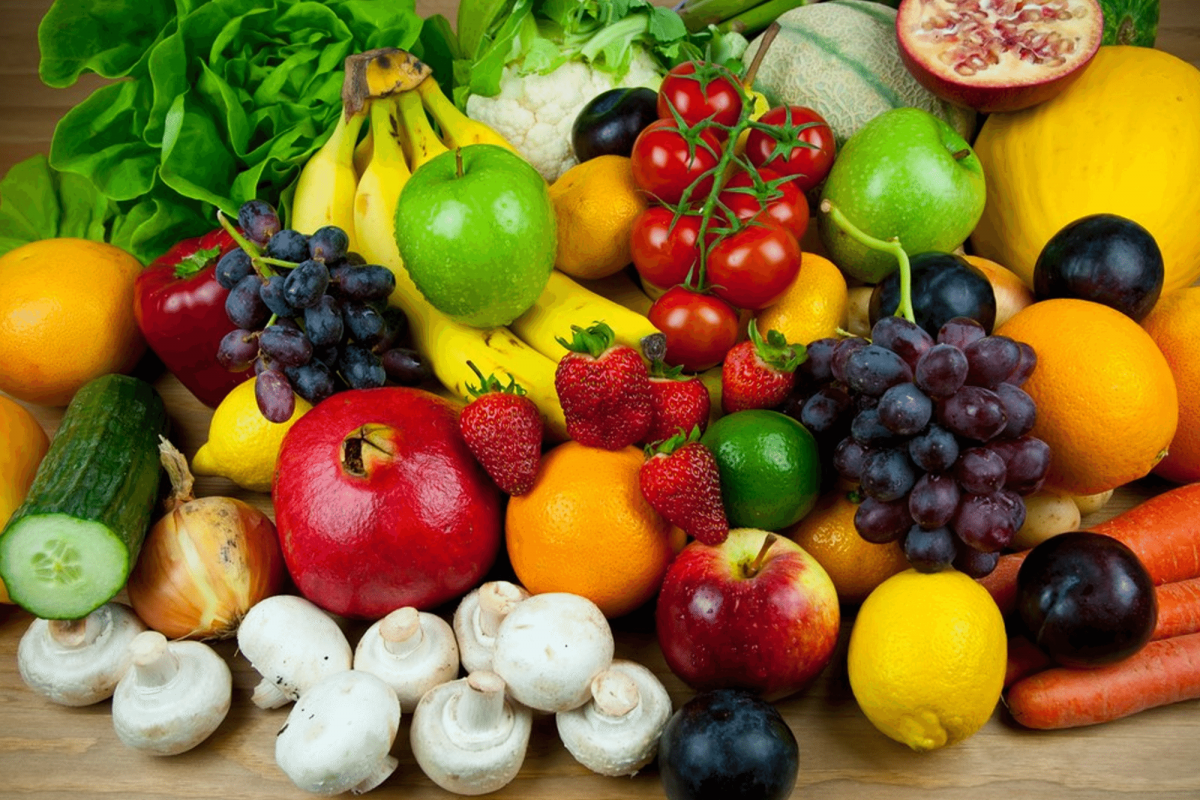
Nutrition is one important part of this picture. A balanced diet that includes fruits, vegetables, whole grains, protein sources, healthy fats and enough fluids can provide nutrients needed for normal immune function. Vitamins and minerals such as vitamin C, vitamin D, vitamin A, vitamin E, zinc, selenium, iron and protein all have roles in maintaining immune health.
This does not mean that a particular food can prevent infections or make you immune to illness. Instead, regularly eating a variety of nutrient-rich foods can help provide the nutritional foundation your body needs.
What Is the Immune System?
If you are wondering what is immune system, it is essentially the body’s natural defense network. It includes organs such as the bone marrow, thymus, spleen and lymph nodes, along with different types of immune cells.
The immune system has two broad parts: innate immunity, which provides an immediate first line of defense, and adaptive immunity, which learns to recognize particular foreign substances and responds more specifically to them. The skin, mucus, stomach acid and immune cells all contribute to the body’s protective barriers.
Because the immune system is so complex, there is no single food that can make it “strong” overnight. Instead, the goal should be to maintain a varied and balanced eating pattern over time.
How Does Food Support Immune Health?
Immune cells need energy, protein, vitamins and minerals to develop and function normally. Nutritional deficiencies can interfere with immune responses, while eating a varied diet helps supply the nutrients required by the body.
For example:
- Vitamin C supports normal immune function and is found in many fruits and vegetables.
- Vitamin A supports the body’s protective barriers and immune function.
- Vitamin D plays a role in regulating immune responses.
- Zinc is important for immune-cell development and function.
- Protein provides amino acids needed for building and repairing tissues.
- Selenium and vitamin E contribute to antioxidant protection.
- Fiber supports a healthy gut microbiome, which is closely connected with immune function.
This is why a combination of foods is more useful than focusing on a single “superfood.”
15 Foods to Boost the Immune System
Here are 15 nutritious foods that can be included as part of a balanced diet to support overall immune health.
1. Citrus Fruits
Oranges, sweet lime, grapefruit, lemons and other citrus fruits are well-known sources of vitamin C. Vitamin C is an essential nutrient involved in normal immune function and also acts as an antioxidant. You can add oranges or sweet lime to breakfast or use lemon with meals. It is better to consume whole fruits regularly rather than relying only on fruit juices.
2. Amla
Amla, or Indian gooseberry, is another fruit naturally rich in vitamin C. It can be eaten fresh, added to chutneys or included in meals in other forms. Rather than treating amla as a medicine, consider it one of several vitamin- and nutrient-rich fruits that can contribute to a varied diet.
3. Berries
Strawberries, blueberries, blackberries and other berries contain vitamin C and a variety of plant compounds. They can be added to oatmeal, plain yogurt or eaten as a snack. If berries are not easily available, other locally available fruits can provide similar nutritional variety.
4. Red Bell Peppers
Red bell peppers are particularly useful as a vegetable source of vitamin C. They can be added to salads, stir-fries, sandwiches or cooked vegetable dishes. Eating vegetables of different colours is a simple way to increase the variety of nutrients and plant compounds in your diet.
5. Broccoli
Broccoli provides vitamin C, vitamin K, folate, fiber and other plant compounds. It can be steamed, lightly cooked or added to soups and stir-fries. Avoid overcooking vegetables when possible, as prolonged cooking can affect some heat-sensitive nutrients.
6. Spinach and Other Leafy Greens
Spinach, methi, mustard greens and other leafy vegetables provide several vitamins, minerals, fiber and plant compounds. Including different leafy greens throughout the week can make meals more nutrient-dense. They can be used in dals, sabzis, soups, salads or stuffed breads.
7. Yogurt
Plain yogurt can provide protein, calcium and, when it contains live cultures, beneficial microorganisms. The gut microbiome plays an important role in immune function, although probiotic effects can vary depending on the microorganism and the individual.
Choose plain or unsweetened yogurt more often instead of varieties containing large amounts of added sugar.
8. Garlic
Garlic contains sulfur-containing compounds and can add flavour to a variety of meals. It also contributes small amounts of several nutrients. While garlic is commonly promoted as an immunity booster, it should not be considered a treatment for infections. Use it as part of a varied diet rather than depending on it for disease prevention.
9. Ginger
Ginger is widely used in Indian cooking and beverages. It contains plant compounds that have been studied for their antioxidant and anti-inflammatory properties. Adding fresh ginger to vegetables, soups or meals can be an easy way to increase dietary variety.
10. Turmeric
Turmeric contains curcumin and other compounds that have been studied for their biological effects. It is also an important spice in traditional Indian cooking. Using turmeric in normal cooking can add flavour and plant compounds to meals, but concentrated turmeric or curcumin supplements should not be considered automatically better than food.
11. Almonds and Other Nuts
Almonds, walnuts and other nuts provide healthy fats, protein, vitamin E and minerals. Vitamin E is an antioxidant and contributes to normal immune function. A small handful of unsalted nuts can make a convenient snack. Because nuts are energy-dense, portion size still matters.
12. Seeds
Pumpkin seeds, sunflower seeds, flaxseeds, chia seeds and sesame seeds can provide nutrients such as zinc, vitamin E, magnesium and healthy fats. Zinc, in particular, plays an important role in immune-cell development and function. Nuts, seeds, legumes, whole grains and animal foods can all contribute to zinc intake.
13. Beans, Lentils and Other Pulses
Dal, rajma, chickpeas, black gram, peas and other pulses are excellent additions to an everyday Indian diet. They provide protein, fiber, folate, iron and other nutrients. The fiber in plant foods can also support beneficial gut microorganisms. A diet rich in fruits, vegetables, legumes and whole grains can help support a healthy gut environment.
14. Eggs
Eggs provide high-quality protein and several vitamins and minerals. Protein is important because the body needs amino acids for building and maintaining cells and tissues. Eggs can be included in breakfast, lunch or dinner depending on individual dietary preferences.
15. Fatty Fish
Fish such as salmon, sardines, mackerel and other oily fish provide protein and omega-3 fatty acids. They can be part of a balanced eating pattern that also includes vegetables, whole grains and other nutrient-rich foods.
For people who do not eat fish, nuts and seeds can provide plant-based sources of certain healthy fats, although they do not provide exactly the same nutrients as fish.
Quick Guide to Foods and Their Key Nutrients
| Food | Nutrients or Components | How to Include It |
|---|---|---|
| Citrus fruits | Vitamin C | Whole fruit, breakfast |
| Amla | Vitamin C, plant compounds | Fresh, chutney |
| Berries | Vitamin C, antioxidants | Snack, yogurt |
| Red bell pepper | Vitamin C, carotenoids | Salad, stir-fry |
| Broccoli | Vitamin C, folate, fiber | Steamed, cooked |
| Leafy greens | Folate, vitamins, minerals, fiber | Dal, sabzi, soup |
| Yogurt | Protein, calcium, live cultures | Plain yogurt |
| Garlic | Sulfur compounds | Curries, vegetables |
| Ginger | Plant compounds | Cooking, beverages |
| Turmeric | Curcumin and other compounds | Curries, vegetables |
| Nuts | Vitamin E, protein, healthy fats | Snack |
| Seeds | Zinc, vitamin E, healthy fats | Oats, salads |
| Pulses | Protein, fiber, minerals | Dal, rajma, chana |
| Eggs | Protein, vitamins and minerals | Breakfast, meals |
| Fatty fish | Protein, omega-3 fats | Grilled or cooked |
Foods That May Support Immunity Through Different Nutrients
Instead of asking which single food is the “best,” it is more useful to look at how different food groups contribute to your overall diet.
| Nutrient | Why It Matters for Immune Health | Food Sources |
|---|---|---|
| Vitamin C | Supports normal immune function | Amla, citrus fruits, peppers |
| Vitamin A | Supports immune function and body barriers | Leafy greens, carrots, eggs |
| Vitamin D | Helps regulate immune responses | Fatty fish, fortified foods |
| Zinc | Supports immune-cell function | Seeds, pulses, eggs, meat |
| Vitamin E | Provides antioxidant protection | Nuts, seeds |
| Protein | Needed for cells and tissue maintenance | Eggs, pulses, dairy, fish |
| Selenium | Supports normal immune function | Fish, eggs, nuts, whole grains |
| Fiber | Supports a healthy gut microbiome | Fruits, vegetables, pulses, whole grains |
Adequate intake of these nutrients is important, but taking extra amounts does not necessarily provide additional protection if you already get enough from your diet.
How to Add These Foods to Your Daily Diet
Eating for better immune health does not have to involve expensive ingredients or complicated recipes. A simple meal pattern can provide considerable variety. For breakfast, you could have eggs with vegetables, oats with fruit and nuts, or plain yogurt with fruit and seeds. For lunch, include dal or another pulse, a portion of vegetables, whole grains and a salad. Add leafy greens or seasonal vegetables whenever possible.
For an evening snack, choose fruit, unsalted nuts, seeds or plain yogurt instead of highly processed snacks. At dinner, combine a protein source with vegetables and whole grains. If you eat fish, fatty fish can be included as part of your weekly meals.
The main principle is variety. Eating the same “immunity food” every day is less useful than regularly including different fruits, vegetables, proteins, whole grains, nuts and seeds.
What Else Can Help Support a Healthy Immune System?
Diet is only one part of immune health. A healthy lifestyle also includes nutritious eating, regular physical activity, adequate sleep, avoiding smoking and limiting excessive alcohol.
Adults generally need at least seven hours of sleep each night, and ongoing sleep loss can negatively affect immune responses. Regular physical activity and maintaining a healthy weight also form part of an overall healthy lifestyle.
Vaccination is another important part of protection against specific infectious diseases. Healthy eating supports the body’s overall health, but it does not replace recommended vaccines or medical treatment.
Should You Take Supplements for Immunity?
Supplements are not automatically necessary if you are eating a varied diet. Correcting a nutrient deficiency can be important for normal immune function, but taking extra vitamins and minerals when you are not deficient generally does not prevent infections or make them resolve faster.
High doses of some supplements can also cause side effects or interact with medicines. Therefore, speak with a doctor or qualified healthcare professional before starting high-dose vitamin, mineral or herbal supplements, particularly if you have a medical condition or take regular medication.
Who Should Take Extra Care With Food Choices?
People with weakened immune systems may need additional food-safety precautions. Those undergoing chemotherapy or radiation therapy, or people living with certain chronic conditions, can have a higher risk of foodborne infections.
Such individuals should pay particular attention to food hygiene and avoid higher-risk choices such as undercooked meat and eggs, unpasteurized dairy products and unwashed produce.
If you experience frequent or unusually severe infections, unexplained weight loss, persistent fever or other concerning symptoms, do not rely only on dietary changes. A healthcare professional can help identify whether an underlying condition needs attention.
Conclusion
A healthy immune system depends on many factors, and no single food can guarantee protection from infections. The most practical approach is to eat a varied diet containing fruits, vegetables, pulses, whole grains, protein sources, nuts, seeds and healthy fats. For professional guidance on nutrition and overall health, you can consult the medical team at Regency Hospitals, a trusted best hospital in Kanpur, depending on your healthcare needs.
The foods to boost immune system often discussed, such as citrus fruits, amla, leafy greens, yogurt, nuts, seeds and fatty fish, can be valuable because they provide nutrients that support normal immune function. What matters most is the overall eating pattern and consistency rather than relying on one particular food.
If you have persistent health concerns, frequent infections or an existing medical condition, professional medical advice is important.
Frequently Asked Questions
1. What foods boost the immune system the most?
There is no single food that is considered the best for immunity. A varied diet containing fruits, vegetables, whole grains, pulses, protein sources, nuts and seeds can provide nutrients needed for normal immune function.
2. What foods should I eat to boost my immune system naturally?
Foods such as citrus fruits, amla, berries, leafy greens, broccoli, yogurt, nuts, seeds, pulses, eggs and fatty fish can be included in a balanced diet. Variety is more important than relying on one food.
3. Can food really boost immunity?
Food cannot make you immune to infections. However, adequate nutrition helps the body’s immune cells and other systems function normally. Nutritional deficiencies can impair immune function, which is why a varied diet is important.
4. How can I improve my immune system naturally?
Along with a nutritious diet, maintain regular physical activity, get adequate sleep, avoid smoking, limit excessive alcohol and follow recommended vaccination schedules. These habits work together to support overall immune health.
5. Do vitamin supplements improve immunity?
Supplements can be useful when a person has a nutritional deficiency or cannot meet nutritional needs through diet. However, taking high doses without a medical reason does not necessarily prevent infections and can sometimes be harmful. Consult a healthcare professional before starting supplements.
Read More:
- 7 Ways to Boost Your Immune System – Regency Healthcare Ltd.
- The Role of Nutrition in Immune System Support: Foods That Boost Immunity
- Boost immune System Naturally to Fight infectious Diseases!
- How Does Stress Affect the Immune System? – Regency Healthcare