
 Call-an-Ambulance
Jaundice in Newborns: Early Signs Parents Should Never Ignore
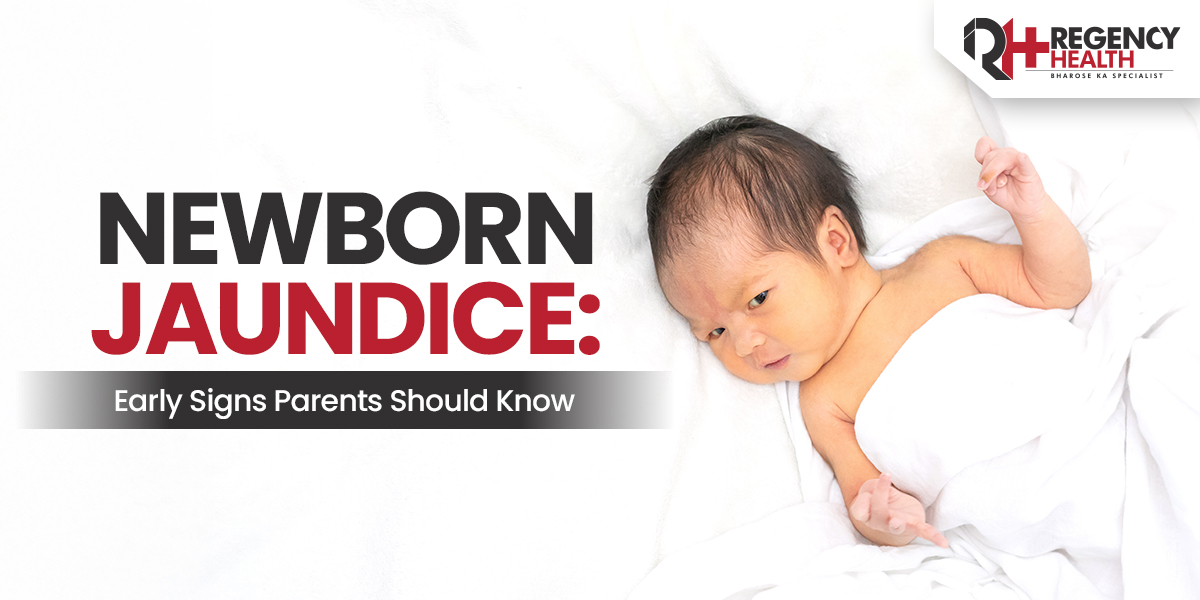
Bringing a newborn home is a joyful yet overwhelming experience for parents. During the first few days of life, babies undergo many physical changes as they adapt to life outside the womb. One of the most common conditions seen during this period is jaundice in newborns.
While jaundice is often mild and temporary, not all jaundice is harmless. Some forms require urgent medical attention. Early recognition can make a life-changing difference, especially in serious liver-related conditions such as cholestasis and biliary atresia.
Understanding the early warning signs, causes, and treatment options helps parents take timely action and protect their baby’s long-term health.
What Is Jaundice in Newborns?
Jaundice in newborns occurs when a baby’s skin and the whites of the eyes turn yellow due to a buildup of bilirubin, a yellow pigment formed when red blood cells break down.
In newborns, the liver is still immature and may not process bilirubin efficiently. This leads to increased bilirubin levels in the blood, a condition known medically as neonatal jaundice.
Most babies develop physiological jaundice within the first 2–4 days after birth, which usually improves on its own. However, jaundice that appears late, persists too long, or is associated with abnormal stools or urine should never be ignored.
How Common Is Jaundice in Newborns?
Jaundice is extremely common:
- Around 60% of full-term babies
- Up to 80% of premature babies
While most cases are mild, a small but critical percentage may indicate underlying liver or bile duct disease, making parental awareness essential.
Early Warning Signs Parents Should Not Ignore
1. Jaundice Lasting Beyond 2 Weeks
- Normal jaundice improves by 10–14 days
- Persistent jaundice beyond 2 weeks (especially in full-term babies) is NOT normal
- This is a major red flag for cholestasis
2. Pale, White, or Clay-Coloured Stools
This is one of the MOST IMPORTANT warning signs
- Healthy baby stools should be yellow, green, or brown
- Pale, white, or clay-coloured stools mean bile is not reaching the intestine
- Strongly suggests cholestasis or biliary atresia
- Parents often miss this always check the diaper
3. Dark Yellow or Tea-Coloured Urine
- Normal newborn urine is clear or very light
- Dark urine that stains the diaper is abnormal
- Indicates conjugated (direct) bilirubin, a serious finding
4. Jaundice That Starts or Worsens After the First Week
- Jaundice appearing after day 7
- Or jaundice that gets worse instead of improving
- Requires immediate evaluation
5. Poor Feeding, Sleepiness, or Poor Weight Gain
Babies with liver disease may:
- Feed poorly
- Be unusually sleepy
- Fail to gain weight adequately
Why Early Recognition of Cholestasis & Biliary Atresia Matters
Cholestasis
A condition where bile flow from the liver is reduced or blocked.If untreated, it can lead to:
- Vitamin deficiencies
- Poor growth
- Progressive liver damage
Biliary Atresia – A Medical Emergency
- A rare but serious condition where bile ducts are blocked or absent
- Time-sensitive disease
- Surgery done before 6–8 weeks of age offers the best outcomes
- Delayed diagnosis can lead to liver failure and need for transplant
Causes of Jaundice in Newborns
How Is Jaundice Diagnosed?Doctors may recommend:
Never assume prolonged jaundice is due to breastfeeding alone without proper testing. How to Treat Jaundice in Newborns
|