
 Call-an-Ambulance
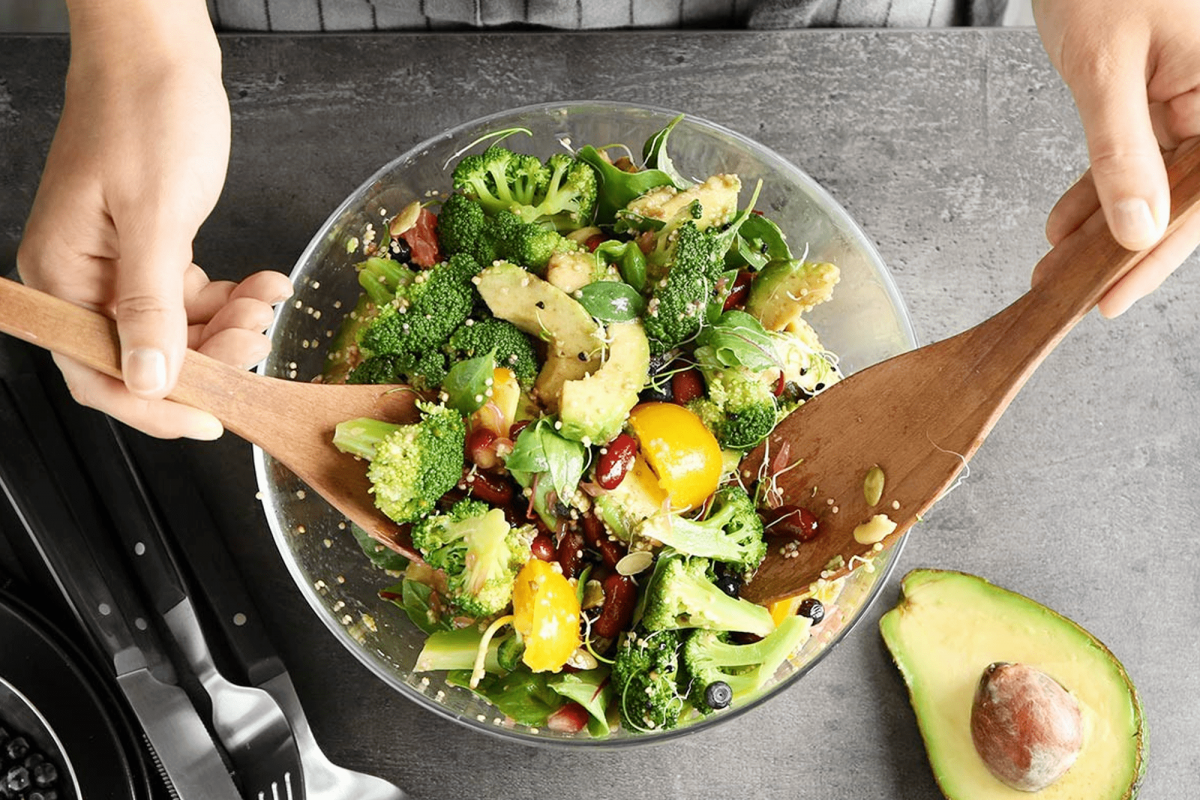
Managing diabetes is not only about taking medicines or checking blood sugar regularly. What you eat, how much you eat and when you eat can also influence your blood glucose levels. This is why developing a balanced diabetic diet can be an important part of diabetes management.
A diabetes-friendly eating plan does not mean completely giving up carbohydrates or your favourite foods. Instead, it focuses on choosing nutritious foods, controlling portions, limiting added sugar and refined foods, and spreading carbohydrate intake sensibly throughout the day.
If you are wondering what is a diabetic diet, it is essentially a balanced eating pattern that provides the nutrients your body needs while helping you manage blood glucose, weight, blood pressure and cholesterol levels.
The right meal plan can be different for every person depending on the type of diabetes, medicines, activity level, age, weight and other health conditions. Therefore, it is best to create a personalised plan with your doctor or a registered dietitian.
What Is a Diabetic Diet?
A diabetic diet is not a fixed menu that every person with diabetes must follow. It is a way of planning meals so that carbohydrates, protein, healthy fats, fibre and other nutrients are included in appropriate amounts.
Carbohydrates are particularly important because they are broken down into glucose and can raise blood sugar after eating. However, people with diabetes can still eat carbohydrates. The type, amount and portion of carbohydrate matter.
A healthy diabetes meal plan generally includes:
- Non-starchy vegetables
- Whole grains and other high-fibre carbohydrate sources
- Pulses and legumes
- Lean protein
- Nuts and seeds
- Whole fruits in suitable portions
- Low-fat or unsweetened dairy options
- Water and other low- or no-sugar beverages
At the same time, foods high in added sugar, refined carbohydrates, saturated fat and excess sodium should be limited.
How Does Food Affect Blood Sugar?
When you eat carbohydrate-containing foods, your body breaks down carbohydrates into glucose. This glucose enters the bloodstream and can increase blood sugar levels.
However, the effect is not the same for every carbohydrate food. For example, whole fruit contains fibre and takes longer to eat than fruit juice, while sugary drinks can deliver a large amount of sugar quickly.
Eating carbohydrate foods together with protein, fibre or healthy fats may also slow how quickly blood glucose rises.
This is why how to control diabetes with diet is not simply about avoiding sugar. It is also about choosing better carbohydrate sources, managing portions and building balanced meals.
Foods to Eat in a Diabetic Diet
There is no single food that can control diabetes on its own. Instead, focus on a variety of nutrient-rich foods.
1. Non-Starchy Vegetables
Vegetables such as spinach, cauliflower, cabbage, cucumber, tomato, beans, capsicum, bottle gourd, bitter gourd and broccoli can be useful choices. They provide fibre, vitamins and minerals while generally containing fewer carbohydrates than starchy foods.
Try adding vegetables to lunch and dinner instead of making rice, roti or other starches the largest part of your plate.
2. Whole Grains
Whole grains can provide more fibre than refined grains.
Some options include:
- Whole-wheat roti
- Oats
- Brown rice
- Barley
- Millets
- Quinoa
The portion still matters because whole grains contain carbohydrates and can affect blood glucose.
3. Pulses and Legumes
Dal, chickpeas, kidney beans, black gram, green gram and other pulses can provide protein, fibre and carbohydrates. They can be included as part of a balanced meal. However, portion sizes should still be considered because pulses also contribute carbohydrates.
4. Protein-Rich Foods
Protein can help make meals more filling and can be part of a balanced eating pattern.
Depending on dietary preferences, suitable options may include:
- Eggs
- Fish
- Skinless chicken
- Tofu
- Paneer in appropriate portions
- Unsweetened curd
- Dal and beans
People with kidney disease may need different amounts or types of protein, so they should follow individual medical advice.
5. Whole Fruits
People with diabetes do not necessarily need to stop eating fruit. Whole fruits can provide fibre, vitamins and minerals.
Examples include apples, oranges, guava, berries, papaya and pears.
It is generally better to eat whole fruit rather than drinking fruit juice because juice can provide sugar without the same amount of fibre and may be easier to consume in larger quantities.
6. Nuts and Seeds
Almonds, walnuts, peanuts, flaxseeds, chia seeds and pumpkin seeds can provide healthy fats, fibre and other nutrients. Since nuts and seeds are calorie-dense, a small portion is usually sufficient.
Foods to Limit or Avoid
A person with diabetes does not necessarily have to permanently eliminate every food they enjoy. However, some foods are better kept for occasional consumption or eaten in smaller portions.
| Foods to limit | Why they may be a concern |
|---|---|
| Sugary soft drinks | High in added sugar and can raise blood glucose quickly |
| Sweetened juices | Can provide a large amount of sugar with less fibre than whole fruit |
| Mithai and sweets | Often high in added sugar and calories |
| Cakes and biscuits | May contain added sugar and unhealthy fats |
| White bread | Refined carbohydrate with less fibre |
| Large portions of white rice | Can provide a significant carbohydrate load |
| Fried snacks | Often high in calories and unhealthy fats |
| Packaged snacks | May contain excess sodium, refined carbohydrates and fats |
| Sugary breakfast cereals | Can contain substantial added sugar |
| Sweetened tea or coffee | Regular consumption can add significant sugar |
The goal is not necessarily to create a completely restrictive diet. Instead, learn which foods affect your blood glucose and adjust portions and frequency accordingly.
The Diabetes Plate Method
One simple approach to meal planning is the plate method. It can help manage portions without requiring you to calculate every gram of carbohydrate.
For a typical 9-inch plate:
- Half the plate: Non-starchy vegetables
- One-quarter: Protein foods
- One-quarter: Carbohydrate foods
You can pair the meal with water or another low- or no-sugar drink.
For example, an Indian meal could include:
| Plate section | Example foods |
|---|---|
| ½ plate vegetables | Lauki, bhindi, cabbage, spinach, cauliflower or mixed vegetables |
| ¼ plate protein | Dal, tofu, fish, chicken or eggs |
| ¼ plate carbohydrate | 1–2 small rotis, brown rice or another whole-grain option |
| Drink | Water or unsweetened beverage |
The exact portion required depends on individual calorie and carbohydrate needs.
How to Control Diabetes With Diet?
If you are looking for practical ways for how to control diabetes with diet, focus on consistency rather than extreme restrictions.
Control Portion Sizes
Even healthy foods can affect blood sugar if eaten in excessive amounts. Use smaller plates, measure portions when needed and avoid automatically taking second servings.
Choose High-Fibre Foods
Fibre is found in vegetables, fruits, whole grains, beans, lentils, nuts and seeds. It can help support digestion and may slow the absorption of carbohydrates.
Reduce Added Sugar
Limit sugar added to tea, coffee and other drinks. Also watch for hidden added sugar in packaged foods, desserts, sauces and sweetened beverages.
Choose Water More Often
Replacing sugary drinks with water can reduce unnecessary sugar and calorie intake.
Avoid Skipping Meals Without Medical Advice
Meal timing may matter, particularly for people taking insulin or certain diabetes medicines. Skipping or delaying meals can sometimes increase the risk of low blood sugar.
Keep Track of Your Blood Sugar
Monitoring blood glucose as advised by your healthcare professional can help you understand how meals, activity and medicines affect your levels.
Simple Meal Planning Tips for Diabetes
Planning meals in advance can make it easier to follow a healthy eating pattern.
Breakfast
Choose a meal containing protein, fibre and a suitable carbohydrate portion.
Examples:
- Vegetable oats with boiled egg
- Vegetable poha with curd
- Moong dal chilla with unsweetened curd
- Vegetable upma with a protein source
Lunch
A balanced lunch could include:
- Vegetable salad
- One or two small rotis or a suitable rice portion
- Dal or another protein source
- A generous serving of vegetables
- Unsweetened curd, if appropriate
Evening Snack
Instead of biscuits or fried snacks, consider:
- A small portion of nuts
- Roasted chana
- Unsweetened curd
- A whole fruit
- Vegetable snack
Dinner
Keep dinner balanced and consider your total carbohydrate intake for the day.
For example:
- Mixed vegetable sabzi
- Dal, tofu, fish or chicken
- A suitable portion of roti or another carbohydrate
- Salad or cooked vegetables
These are general examples, not personalised medical meal plans.
A Sample One-Day Diabetic Meal Plan
| Meal | Example |
|---|---|
| Early morning | Water; follow any prescribed medication or dietary instructions |
| Breakfast | Vegetable moong dal chilla + unsweetened curd |
| Mid-morning | One small portion of whole fruit |
| Lunch | Salad + vegetables + dal + 1–2 small rotis |
| Evening snack | Roasted chana or a small handful of nuts |
| Dinner | Cooked vegetables + protein source + suitable portion of roti |
| Drinks | Water, unsweetened tea or other low/no-sugar beverages |
Your actual calorie, carbohydrate and protein requirements may be different.
Should People With Diabetes Stop Eating Carbohydrates?
No. Carbohydrates are not automatically unhealthy for people with diabetes.
The important factors include the type and amount of carbohydrate and how it fits into the overall meal. Whole grains, fruits, beans, lentils and other minimally processed carbohydrate sources can be part of a balanced eating plan.
Refined grains, sugary drinks and foods with large amounts of added sugar should generally be limited.
People who use mealtime insulin may benefit from carbohydrate counting, while others may find the plate method easier. A healthcare professional can help determine which approach is appropriate.
Can a Diabetic Person Eat Rice and Roti?
Yes, rice and roti can be included in many diabetes meal plans. The key consideration is portion size and the overall composition of the meal. Instead of filling most of the plate with rice or several rotis, combine a suitable carbohydrate portion with vegetables and protein.
For example, a meal containing vegetables, dal and a moderate portion of rice can be more balanced than eating a large bowl of rice alone.
Common Mistakes to Avoid
Following a healthy eating plan becomes easier when you know which habits can work against your goals.
- Completely eliminating carbohydrates without medical advice
- Drinking fruit juice instead of eating whole fruit
- Eating large portions of supposedly healthy foods
- Skipping meals while taking diabetes medicines
- Relying on “diabetes-friendly” packaged foods without checking labels
- Assuming natural sweeteners are unlimited
- Following extremely restrictive diets without professional guidance
- Ignoring other health conditions such as kidney or heart disease
There is also no strong evidence that a particular herb, spice or supplement can replace prescribed diabetes treatment. Speak with your healthcare professional before starting supplements.
How to Make a Diabetic Diet Sustainable
A healthy eating plan should fit your normal lifestyle. If a diet is extremely restrictive, it may be difficult to follow for a long time.
Try making small changes such as:
- Replacing sugary drinks with water
- Adding vegetables to every main meal
- Choosing whole grains more often
- Reducing fried snacks
- Eating whole fruit instead of juice
- Keeping healthy snacks available
- Planning meals before eating outside
- Checking food labels on packaged products
- Maintaining regular physical activity as advised by your doctor
You can also enjoy favourite foods occasionally by adjusting the portion and balancing the rest of the meal.
When Should You Consult a Doctor or Dietitian?
A general healthy eating plan may not be enough if you have additional medical conditions or take medicines that affect blood glucose.
Professional guidance is especially important if you:
- Have frequent high or low blood sugar levels
- Take insulin or medicines that can cause hypoglycaemia
- Have kidney, liver or heart disease
- Are pregnant
- Are trying to lose or gain weight
- Have difficulty planning meals
- Have recently been diagnosed with diabetes
A doctor or registered dietitian can help develop an eating plan based on your medical history, medicines, activity level, food preferences and blood glucose goals.
Conclusion
A diabetic diet is not about completely giving up your favourite foods or following a highly restrictive menu. It is about building balanced meals, choosing nutritious carbohydrate sources, eating appropriate portions and limiting foods high in added sugar, refined carbohydrates and unhealthy fats. If you need professional support for diabetes management, the medical team at Regency Hospitals, a trusted best hospital in Lucknow, can help guide you based on your individual healthcare needs.
Understanding what is a diabetic diet can make everyday food choices easier. Simple habits such as using the plate method, choosing whole foods, eating more vegetables, limiting sugary drinks and monitoring blood glucose can support better diabetes management.
Remember that diabetes affects people differently. Your meal plan should be personalised according to your medicines, blood sugar targets, activity level and other health conditions. Do not stop or change prescribed diabetes medicines based only on dietary changes.
Frequently Asked Questions
1. What foods should diabetics eat daily?
People with diabetes can include non-starchy vegetables, whole fruits, whole grains, pulses, lean protein, nuts and seeds in appropriate portions. The exact food choices and portions should be personalised according to individual health needs.
2. What foods should be avoided in diabetes?
Sugary drinks, foods high in added sugar, refined grains, sweets and highly processed or fried foods should generally be limited. Portion size also matters, even when choosing healthier foods.
3. Can a diabetic person eat rice and roti?
Yes. Rice and roti can be part of a balanced meal when eaten in suitable portions and combined with vegetables and protein. The appropriate amount varies from person to person.
4. Can diabetes be controlled with diet alone?
Diet is an important part of diabetes management, but it may not be enough for everyone. Some people need medicines, insulin, physical activity and regular medical monitoring along with dietary changes.
5. What is the best diet for a diabetic person?
There is no single good diet for diabetics that works equally well for everyone. A balanced eating pattern based on vegetables, fibre-rich foods, suitable carbohydrates, protein and healthy fats can be helpful. A doctor or dietitian can recommend a plan based on individual needs.
Read More:
- Difference Between Type 1 and Type 2 Diabetes: Which is More Dangerous?
- Type 1 vs Type 2 Diabetes: Causes, Symptoms & Treatment
- Types of Diabetes and How to Manage it! – Regency Healthcare
- Type 2 Diabetes: Early Signs and Symptoms – Regency Healthcare