

 Call-an-Ambulance
What Is Leprosy? Early Symptoms, Causes, Diagnosis & Effective Treatment Explained
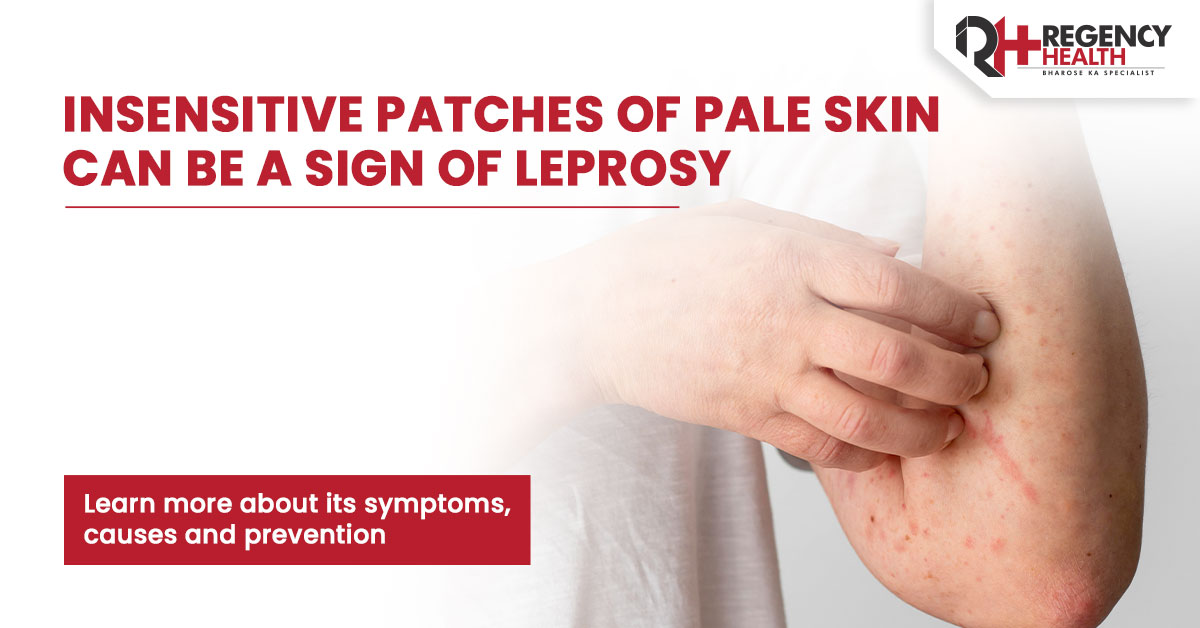
Most people have heard of leprosy, but very few actually know what it looks like in real life. It starts quietly, a patch on the skin that looks slightly different, or a spot that feels oddly numb. Easy to ignore. Easier to misread.
Leprosy today is not the kind of condition it used to be centuries ago. It is treatable, manageable, and in most cases, completely curable. But those outcomes depend heavily on how early it’s identified. The longer it goes unnoticed, the more complicated things can become, not because the disease is aggressive, but because it works slowly and subtly.
What Is Leprosy?
Leprosy, or Hansen’s disease, is a long-term bacterial infection that mainly affects the skin and nerves. It doesn’t spread quickly, and it doesn’t cause immediate illness in the way many infections do. Instead, it develops gradually, sometimes over years. That slow pace is deceptive.
A person might notice a small skin change and carry on as usual. There’s no urgency, no pain pushing them to get it checked. But beneath the surface, the bacteria can begin affecting nerves, reducing sensation in certain areas. And once sensation starts to go, the risk of unnoticed injuries increases. So while leprosy disease isn’t fast-moving, it can quietly interfere with how the body functions if left untreated.
What Causes Leprosy?
At its core, leprosy is caused by a bacterium called Mycobacterium leprae. It has a preference for cooler parts of the body, which is why it tends to affect the skin, fingers, toes, and peripheral nerves first.
Many people come into contact with the bacteria at some point and never develop the condition. The immune system plays a deciding role here. Some bodies are able to suppress the bacteria naturally, while others aren’t.
Causes and Risk Factors
| Factor | What It Means in Practical Terms |
|---|---|
| Bacterial infection | The root cause is Mycobacterium leprae |
| Long-term exposure | Usually involves close, repeated contact over time |
| Immune system response | Lower immunity can increase the likelihood of infection |
| Living environment | Crowded or poorly ventilated spaces may raise risk slightly |
It’s also worth clearing up a common misconception, leprosy does not spread easily. It typically requires prolonged exposure to an untreated individual.
Early Symptoms of Leprosy
If there’s one stage where intervention matters most, it’s the beginning. Unfortunately, it’s also the stage most people miss. The early leprosy symptoms are not alarming. They don’t interrupt daily routines. In fact, they often look like minor skin issues, like:
- A patch of skin that looks lighter or slightly reddish
- Reduced sensation in that patch
- A feeling of numbness that doesn’t go away
- Occasional tingling in hands or feet
- Slight muscle weakness
The absence of pain is what makes this tricky. Pain usually prompts action. Numbness doesn’t.
How Symptoms Progress
| Stage | What Changes Over Time |
|---|---|
| Early | Subtle skin patches, mild numbness |
| Mid-stage | Clear nerve involvement, weakness in affected areas |
| Advanced | Loss of sensation, visible physical changes, possible deformities |
By the time symptoms become obvious, the condition has often been present for a while. That delay is what treatment aims to avoid.
How Does Leprosy Spread?
This is where perception and reality don’t always align. Leprosy is not highly contagious. It doesn’t spread through casual contact. Sitting next to someone, sharing a meal, or shaking hands won’t transmit it.
Instead, it spreads through prolonged exposure, usually via respiratory droplets from someone who hasn’t started treatment yet. That distinction matters. It shifts the conversation from fear to awareness. Once treatment begins, the chances of spreading the infection drop significantly.
Diagnosis of Leprosy
There isn’t a single test that tells the whole story. Diagnosis usually involves a mix of observation and confirmation. Doctors start by examining the skin, looking for patches with reduced sensation. That detail alone is often a strong indicator.
| Method | Why It’s Used |
|---|---|
| Clinical examination | Identifies visible signs and sensory changes |
| Skin biopsy | Confirms the presence of bacteria |
| Nerve testing | Checks for nerve damage |
| Slit skin smear | Detects bacteria under a microscope |
In many cases, an experienced doctor can suspect leprosy early, even before lab results are finalized. That early suspicion is often what leads to timely treatment.
Leprosy Treatment: What Actually Works
The approach to leprosy treatment today is practical, well-established, and backed by decades of clinical success. The cornerstone of treatment is Multi-Drug Therapy (MDT), a combination of antibiotics designed to eliminate the bacteria completely and prevent resistance. This method has been widely used across the world and continues to deliver consistent, reliable outcomes when followed correctly.
What makes MDT effective is not just the medicines themselves, but the structured way in which they are prescribed based on the severity of the condition.
| Treatment Type | Typical Duration | When It’s Used |
|---|---|---|
| Paucibacillary MDT | Around 6 months | Cases with fewer lesions and limited spread |
| Multibacillary MDT | 12–24 months | More advanced or widespread infection |
| Supportive Care | Ongoing | Helps manage nerve damage and complications |
The medications involved, such as rifampicin, dapsone, and clofazimine, are not experimental; they are time-tested and widely trusted. However, one factor that significantly influences recovery is consistency. Missing doses or stopping treatment midway can slow progress and increase the risk of complications. Completing the full course, even after symptoms improve, is essential for complete recovery and long-term health stability.
Conclusion
Leprosy today is far from the condition it is often perceived to be. With the right awareness, timely diagnosis, and structured treatment, it can be effectively managed and completely cured. What truly makes the difference is not just medical advancement, but how early individuals choose to act on subtle symptoms that might otherwise be ignored.
For those looking for reliable care and accurate diagnosis, at Regency Hospitals, we offer a comprehensive, patient-focused approach to managing skin and nerve-related conditions. Consulting our best dermatologist in Gorakhpur can help ensure that even the earliest signs are evaluated with precision, setting the foundation for a smooth and complete recovery journey.
Book your appointment with our expert dermatology team today and move forward with confidence toward complete healing.
FAQs
What is the main cause of leprosy?
Leprosy is caused by a slow-growing bacteria called Mycobacterium leprae. It usually spreads through long-term, close contact with someone who hasn’t started treatment yet, not through casual interaction.
What are the three main symptoms of leprosy?
The most common signs are light or reddish skin patches, numbness in those areas, and weakness in hands or feet. These symptoms often appear gradually, which is why they’re easy to overlook at first.
Does leprosy still exist today?
Yes, it does, but it’s much less common and far more manageable now. With better awareness and treatment, most cases are diagnosed early and handled effectively.
Is leprosy 100% curable?
Yes, leprosy can be completely cured with proper treatment. The key is starting early and completing the full course of medication without interruptions.
Is leprosy a serious disease?
It can become serious if ignored for too long, mainly because it affects nerves. But when caught early, it’s very much under control and doesn’t usually lead to severe complications.
Read More:
- Skin Rash on Body: Causes, Types, Symptoms & Treatment
- Summer Skincare Tips for Radiant Skin
- Different types of Skin Disorders
- Best Ways to Protect Yourself From Skin Cancer