
 Call-an-Ambulance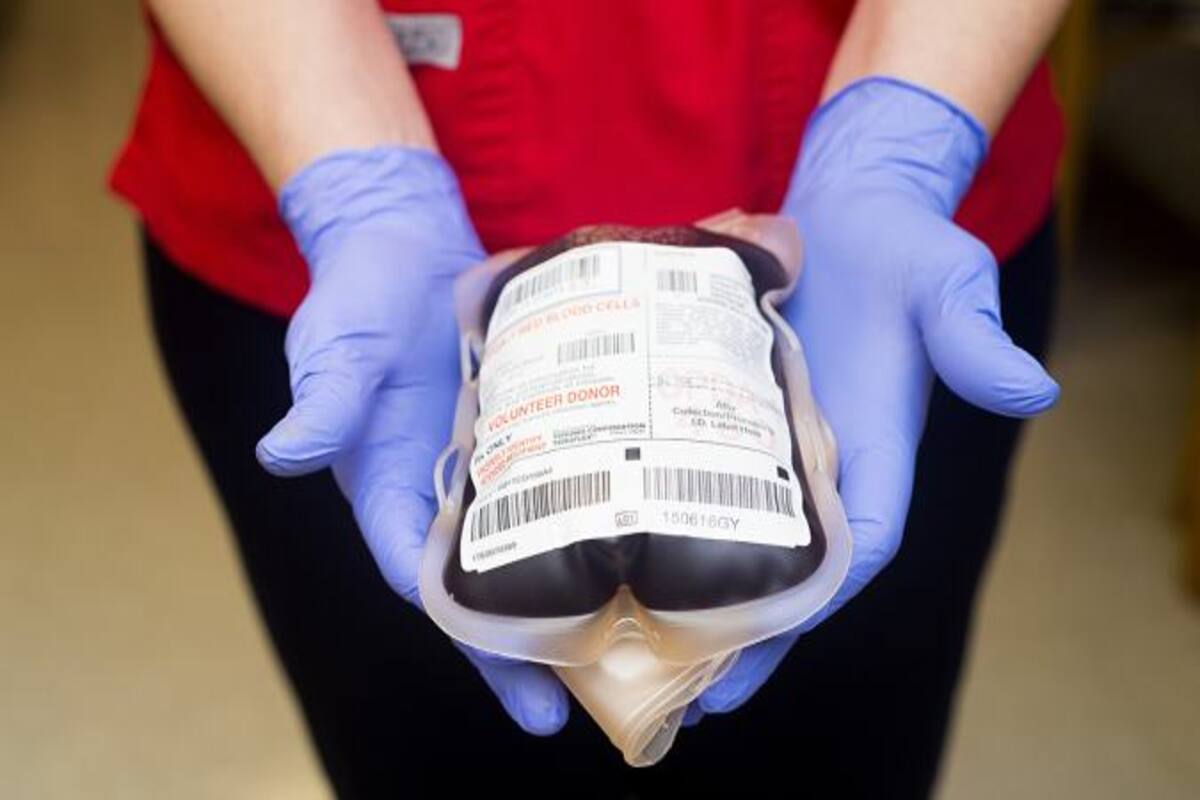
Despite the fact that there is a constant need for blood for surgeries, trauma, cancer treatment, as well as many other medical interventions, there is still a certain kind of hesitation among individuals when it comes to blood donation. The hesitation is not usually driven by fear, but by a lack of knowledge. Individuals want to know how blood donation works, how safe it is, as well as the precautions that need to be taken.
This is a go-to guide on how blood donation works, who is eligible, its benefits, as well as the precautions.
What is Blood Donation?
The blood donation process is a voluntary medical activity in which a normal and healthy individual donates one unit of blood with the aim of helping patients who need blood transfusions. The donated blood is kept in the blood centre and is eventually used in hospitals as part of the critical medical aid provided to patients.
Here’s everything you need to know about the blood donation process.
| Facts | Details |
|---|---|
| Amount of blood collected | Approximately 350–450 ml |
| Time required for donation | Around 8–10 minutes |
| Total visit duration | About 30–45 minutes |
| Plasma recovery | Within 24–48 hours |
| Red blood cell recovery | Around 4–8 weeks |
| Iron replacement | Around 6–12 weeks |
The body can replenish the blood and fluids lost during the blood donation process in a matter of time. Additionally, the red blood cells are replenished over time, and that is why anyone can donate blood after a recommended period.
Who Can Donate Blood? Eligibility Criteria
There are certain guidelines and criterias followed by blood donation centres for the safety of the donor and the patients who are likely to receive the blood. Not everyone can donate blood at any given time, and that is why a quick health check is performed before the blood donation process starts.few general criterias are:
| Criteria | Requirement |
|---|---|
| Age | 18 to 60 years |
| Minimum weight | 45–50 kg |
| Hemoglobin level | At least 12.5 g/dL |
| Health condition | Must be physically healthy |
| Donation gap | Usually every 3 months (male) & every 4 months (female) |
If the person has recently fallen sick or is taking certain medications or has certain health conditions, the doctors may advise against blood donation at the time.
Benefits of Blood Donation
Most people recognize blood donation primarily as a life-saving contribution. But beyond helping patients, do you know what are the benefits of donating blood ? Well, it includes
| Benefits | Explanation |
|---|---|
| Helps regulate iron levels | Donation may help maintain balanced iron levels in the body |
| Stimulates blood cell production | The body begins producing fresh blood cells after donation |
| Free basic health check | Blood pressure, hemoglobin, and screening for HIV, Hepatitis B and C, syphilis, and malaria |
| Improves cardiovascular health | By reducing excess iron and blood viscosity, allowing smoother blood flow and potentially lowering the risk of clots and strokes |
Donated blood is often separated into three components: Red blood cells, plasma, and platelets.Thus one donation can help three different individuals who need blood for their medical needs.
Many donors also describe a “strong sense of satisfaction” after donating. Knowing that a short visit to a donation centre could potentially help someone recover from surgery or survive an emergency often becomes the motivation to donate again.
How to Prepare Before Blood Donation
It is vital to prepare oneself properly before the blood donation appointment to ensure that the process is smooth and comfortable. The requirements for the preparation process are quite simple.
| Preparation Step | Why It Matters |
|---|---|
| Drink sufficient water | Prevents dehydration and helps maintain blood pressure to support proper circulation |
| Eat a balanced meal | Helps maintain stable energy levels |
| Sleep well the previous night | Reduces the chances of fatigue or dizziness |
| Avoid alcohol | Helps maintain proper hydration |
| Wear loose clothing | Makes access to the arm easier during donation |
It is advisable to eat a light meal before the donation appointment. This is to avoid the risk of feeling weak after the donation.
Blood Donation: Do’s
Adhering to certain best practices before and during blood donation is important in making sure that the process is both safe and comfortable.
Some of the practices that can help include:
- Eating a nutritious meal before going to the donation centre
- Drinking lots of fluids during the course of the day before and after donation
- Getting enough sleep the night before donation
- Reporting your medications or health status to medical personnel
- Following medical advice from medical professionals
- Relaxing during the donation process
These practices help in maintaining blood pressure levels while reducing the risk of getting dizzy.
Blood Donation: Don’ts
In preparing for blood donation, it is equally important that the donor is aware of certain practices that can cause discomfort during or post donation.
Important practices that should not be done include:
- Do not donate blood on an empty stomach
- Do not consume alcohol before and after donating blood
- Do not smoke before or after donating blood
- Do not donate blood if you feel sick or weak
- Do not drive for at least one and half hours or filling sick post-donation.
It is important that the body is allowed to rest after donation in order to recover properly.
Blood Donation Process Overview
For first-time donors, the process may seem strange, but it is highly structured and closely monitored by trained professionals.
A typical blood donation visit involves the following steps:
- Registration: The donors are required to provide some basic personal information and identification at the reception desk.
- Pre-donation education and counselling: Focused on quarry and awareness about donation and assessment of high risk behaviour for transfusion transmitted Infections.
- Health Screening: The donors are subjected to a brief medical evaluation, including the testing of their hemoglobin level, blood pressure, pulse rate, and medical history.
- Blood Collection: A sterile needle is used for the collection of blood into the collection bag. The blood donation itself takes about eight to ten minutes.
- Post-Donation refreshment and recovery: The donors are asked to sit for some time after the donation and are offered refreshments for hydration.
All equipment used for the donation is sterile and single-use only, thus eliminating the possibility of infection.
Tips for Recovery After Donating Blood
Once the blood donation process is over, the body will begin to replenish the fluids and blood cells that were donated. In most cases, the donor will feel normal after the blood donation process.
Some recovery tips that will help the donor feel normal:
- Consuming extra fluids for the next 24 hours
- Consuming balanced diet with iron-rich foods such as spinach, beans, and fruits
- Do not perform strenuous exercises,heavy lifting, heavy machine operating,prolong driving after donating blood for the next 24 hours.
- Keeping the bandage on for a 4-6 hours
- Sitting in a squatting position or lying down (head below and legs up) if the donor feels slightly lightheaded.
Conclusion
Blood donation is a vital activity that helps hospitals and patients in need when blood transfusion is required for surgeries, accidents, and critical care treatments, hemoglobinopathies, cancer patients. When the blood donor is aware of the proper precautions to be taken before the donation process, it will be a comfortable experience.
At Regency Hospitals, the blood donation process is conducted under expert medical supervision with advanced screening procedures and hygienic facilities. The hospital actively supports voluntary blood donation initiatives to ensure patients receive timely and safe transfusions whenever required.
If you are looking for the best hospital in Kanpur for safe blood donation services and trusted healthcare support, Regency Hospitals offers reliable facilities along with experienced medical professionals committed to patient care.
FAQs
What are the benefits of donating blood?
The benefits of blood donation include helping save lives, supporting patients during surgeries or emergencies, and keeping blood banks adequately stocked. For donors, it can also help maintain healthy iron levels while providing a basic health check-up before donation.
How many hours after eating can I donate blood?
You don’t need to wait long. Most people can donate blood after having a light meal 2–3 hours before the appointment, which helps prevent dizziness during the process.
What are the 5 tests done on donated blood?
All donated blood undergoes mandatory Transfusion Transmitted Infection (TTI) screening to ensure safety. The five key tests include: HIV (Human Immunodeficiency Virus), Hepatitis B, Hepatitis C, Syphilis and Malaria. These tests are critical to ensure that the donated blood is safe for transfusion and free from infectious diseases.
Can I drink water while I donate blood?
Yes, staying hydrated is actually encouraged. Drinking water before and after donating helps maintain blood volume and reduces the chances of feeling lightheaded.
What food to eat after blood donation?
A regular balanced diet with Iron-rich foods such as spinach, lentils, beans, fruits, and whole grains are helpful after donation. Pairing them with plenty of fluids helps the body recover more comfortably.
Read More:
- Eat These Foods For Boosting Your Immune System
- Diabetic Diet Plan: Foods, Meals, and Habits
- The Ideal Diet for Managing and Preventing Diabetes
- Healthy Habits for Digestive Health