
 Call-an-Ambulance
Busting Myths About Tuberculosis and Its Spread
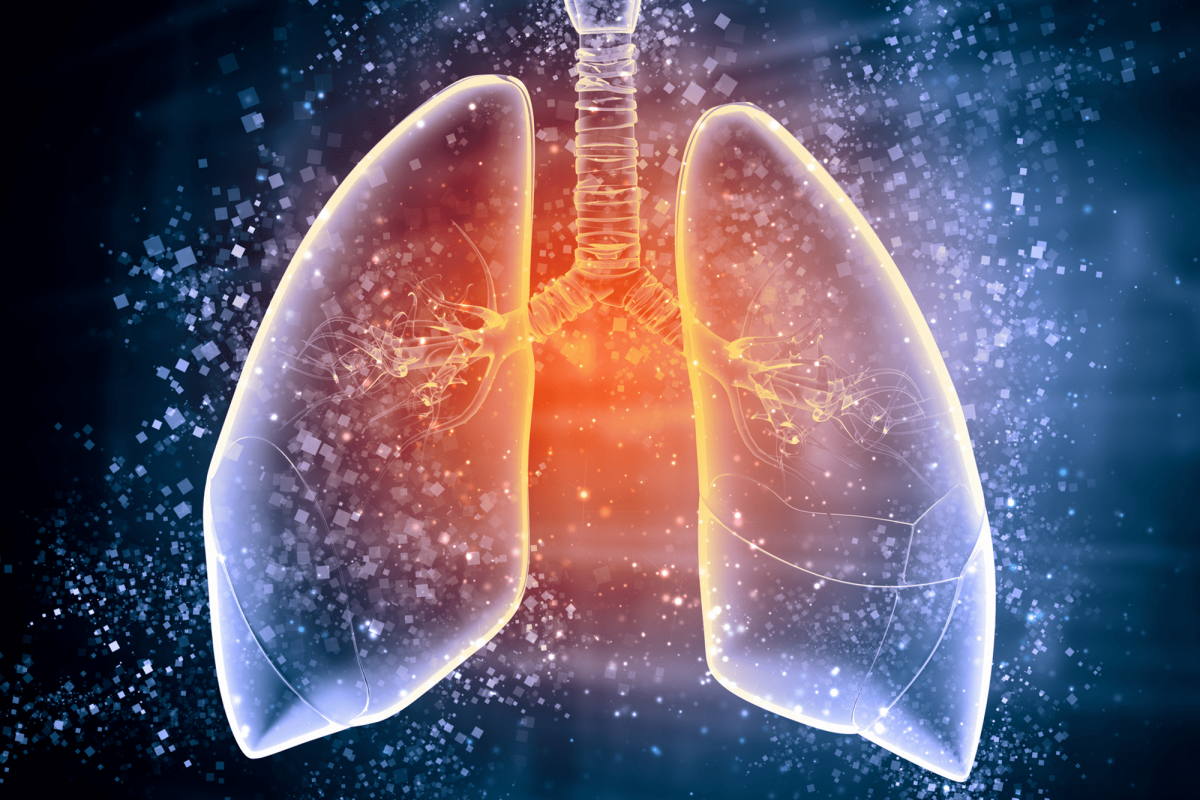
Tuberculosis, commonly known as TB, continues to be one of the most serious infectious diseases worldwide. Despite major improvements in diagnosis, awareness, and treatment, many people still believe outdated information and common myths about tuberculosis. These misconceptions often create fear, stigma, delayed treatment, and unnecessary panic among families.
India remains one of the countries with the highest burden of Tuberculosis. According to global health reports, millions of people are diagnosed with TB every year, yet many cases can be treated successfully with timely care and proper medication. Awareness plays a major role in preventing the spread of infection and encouraging early diagnosis.
What Is Tuberculosis?
Tuberculosis is a bacterial infection caused by Mycobacterium tuberculosis. It mainly affects the lungs, but it can also affect other parts of the body such as the bones, lymph nodes, spine, kidneys, brain, skin, and intestines.
TB spreads through tiny droplets released into the air when a person with active lung TB coughs, sneezes, laughs, or speaks. However, it does not spread as easily as many people assume.
Common tuberculosis symptoms include:
- Persistent cough lasting more than two weeks
- Fever and night sweats
- Chest pain
- Blood in sputum
- Sudden weight loss
- Weakness and fatigue
- Loss of appetite
Not everyone with TB becomes seriously ill immediately. In some cases, the bacteria remain inactive in the body, known as latent TB infection. Latent TB does not spread to others, but it can become active later if immunity weakens.
Why TB Awareness Still Matters
Accurate awareness about Tuberculosis helps people identify symptoms early, reduce stigma, seek timely treatment, and prevent the spread of infection within the community.
| Why TB Awareness Is Important | How It Helps |
|---|---|
| Early recognition of symptoms | Encourages timely medical consultation |
| Correct information about spread | Reduces fear and social stigma |
| Awareness about treatment | Improves recovery rates |
| Understanding preventive measures | Helps control community transmission |
| Support for TB patients | Encourages emotional and social well-being |
Many people avoid getting tested because of social stigma and fear. Unfortunately, delaying treatment can worsen the disease and increase the risk of spreading infection to others.
Correct information can help people:
- Recognize early tuberculosis symptoms
- Seek treatment at the right time
- Avoid spreading false information
- Support TB patients emotionally and socially
- Understand that Tuberculosis is treatable and curable
Let us now separate facts from fiction and understand the most common myths about tuberculosis.
Myth 1: Tuberculosis Is Easy to Catch
Fact:
Tuberculosis does not spread through casual contact like shaking hands, hugging, sharing food, touching surfaces, or sitting next to someone briefly.
A person usually becomes infected after spending long periods in close contact with someone who has untreated active pulmonary TB. Poorly ventilated indoor spaces increase the risk because the bacteria remain suspended in the air.
Outdoor environments are generally safer because sunlight and fresh air reduce the survival of TB bacteria. This is why doctors advise people with active TB to avoid crowded enclosed areas during the early stage of treatment.
Covering the mouth while coughing, maintaining ventilation, and starting treatment early significantly lower the risk of transmission.
Myth 2: TB Only Affects the Lungs
Fact:
One of the most common myths about tuberculosis is that it is only a lung disease.
While pulmonary TB affects the lungs and is the most common form, Tuberculosis can also affect many other organs in the body. This condition is known as extrapulmonary TB.
TB can develop in:
- Bones and joints
- Brain and spinal cord lining
- Kidneys
- Lymph nodes
- Intestines
- Skin
- Reproductive organs
Symptoms depend on the affected organ. For example, TB in bones may cause back pain, while TB in lymph nodes may lead to swelling in the neck.
Understanding what is tuberculosis in its different forms helps people recognize unusual symptoms and seek medical care sooner.
Myth 3: Tuberculosis Only Affects Poor or Malnourished People
Fact:
Tuberculosis can affect anyone regardless of age, profession, income level, or social background.
However, certain factors increase the risk, including:
- Weak immune system
- Diabetes
- HIV infection
- Smoking
- Alcohol abuse
- Malnutrition
- Long-term steroid use
- Close contact with an infected person
Although overcrowding and poor living conditions may increase exposure risk, TB is not limited to any one social group. Educated and financially stable individuals can also develop Tuberculosis.
This misconception often prevents people from getting tested because they wrongly believe they are not at risk.
Myth 4: Smoking Directly Causes TB
Fact:
Smoking itself does not cause Tuberculosis, but it significantly increases the risk of developing active TB. TB is caused by bacteria, not tobacco. However, smoking damages the lungs and weakens the body’s natural defense system. This makes it easier for TB bacteria to multiply and cause infection.
Smokers are also more likely to experience severe tuberculosis symptoms and slower recovery. Quitting smoking during TB treatment improves lung function and treatment outcomes. Doctors strongly advise avoiding tobacco during and after treatment.
Myth 5: Chest X-Rays Alone Can Confirm Tuberculosis
Fact:
Chest X-rays and CT scans help doctors identify abnormalities, but they cannot confirm Tuberculosis with complete accuracy.
A proper diagnosis often includes:
- Sputum examination
- Molecular tests such as CBNAAT or GeneXpert
- Culture tests
- Blood tests in selected cases
- Tissue biopsy for extrapulmonary TB
Radiological scans are supportive tools and not final proof of infection.
| Common TB Diagnostic Tests | Purpose |
|---|---|
| Sputum Test | Detects TB bacteria in mucus from the lungs |
| CBNAAT/GeneXpert | Identifies TB bacteria and drug resistance |
| Chest X-Ray | Detects lung abnormalities linked to TB |
| CT Scan | Provides detailed imaging in complex cases |
| Tissue Biopsy | Helps diagnose extrapulmonary TB |
This is important because many lung diseases can look similar on scans. Proper laboratory testing helps doctors choose the right treatment plan.
Myth 6: TB Is Not Curable
Fact:
Tuberculosis is curable when diagnosed early and treated correctly. Modern anti-tubercular medicines are highly effective when taken regularly and for the full prescribed duration. Most patients recover completely with proper medical supervision.
Treatment usually lasts several months depending on the type and severity of TB. In some cases, doctors may also need to rule out infections caused by Nontuberculous mycobacteria (NTM), which are different from Tuberculosis bacteria. These organisms can affect the lungs and are often more resistant to conventional antibiotics, making diagnosis and treatment more complex. Stopping medicines midway can lead to drug-resistant TB, which is harder to treat. People should never self-medicate or skip doses once they start feeling better. Early diagnosis, nutritional support, regular follow-up, and adherence to medication are the keys to successful recovery.
Myth 7: TB Is a Genetic or Hereditary Disease
Fact:
Tuberculosis is an infectious disease, not a hereditary condition. Many families mistakenly believe that TB runs in the family because several members may become infected around the same time. In reality, this happens because they live in close contact with one another.
When a person with untreated active TB coughs frequently in a shared environment, others nearby may inhale the bacteria. This misunderstanding contributes to stigma and fear. Understanding what is tuberculosis and how it spreads can help families take preventive measures instead of blaming genetics.
Myth 8: Every TB Patient Is Highly Infectious
Fact:
Not all TB patients spread infection. People with latent TB infection cannot infect others. Even patients with active pulmonary TB become much less infectious after starting proper treatment. In many cases, after a few weeks of consistent medication, the risk of transmission drops significantly.
Doctors may recommend precautions during the early phase of treatment, such as:
- Wearing masks
- Maintaining room ventilation
- Covering the mouth while coughing
- Avoiding crowded indoor places temporarily
Supporting TB patients with compassion instead of fear is essential for recovery and mental well-being.
Myth 9: TB Treatment Should Stop Once Symptoms Improve
Fact:
Many patients stop medicines when they begin to feel healthier. This is a dangerous mistake. Even if tuberculosis symptoms disappear, bacteria may still remain inside the body. Incomplete treatment can cause the infection to return in a more severe form.
It can also lead to multidrug-resistant TB, where standard medicines no longer work effectively. Patients should always complete the full course of treatment exactly as prescribed by their doctor.
Myth 10: TB Vaccination Gives Lifetime Protection
Fact:
The BCG vaccine helps protect children from severe forms of TB, especially TB meningitis and disseminated TB. However, it does not provide complete lifelong protection against all forms of Tuberculosis in adults. This means vaccinated individuals can still develop TB later in life. Maintaining immunity, early testing, and awareness of tuberculosis symptoms remain important.
How to Reduce the Spread of Tuberculosis
Preventing the spread of Tuberculosis requires a combination of early diagnosis, proper treatment, healthy habits, and awareness about infection control measures.
| Preventive Measure | Why It Matters |
|---|---|
| Completing TB treatment | Prevents relapse and drug resistance |
| Proper ventilation | Reduces concentration of bacteria indoors |
| Wearing masks during active infection | Minimizes spread through respiratory droplets |
| Nutritious diet | Supports immunity and recovery |
| Avoiding smoking | Helps protect lung health |
Early screening of close contactsDetects infection before complications develop
Preventing Tuberculosis requires awareness, early diagnosis, and responsible treatment.
Here are some important preventive steps:
- Seek medical evaluation if a cough lasts more than two weeks
- Complete the entire TB treatment course
- Maintain good ventilation indoors
- Cover your mouth while coughing or sneezing
- Avoid smoking and tobacco use
- Eat a balanced and nutritious diet
- Get regular health checkups if you have diabetes or weakened immunity
- Encourage family members to get screened if someone at home has active TB
Public awareness is one of the strongest tools in controlling Tuberculosis.
Conclusion
Tuberculosis remains a serious yet preventable and treatable infectious disease. Unfortunately, misinformation and myths about tuberculosis continue to create fear, stigma, and delays in treatment. Understanding what is tuberculosis, recognizing early tuberculosis symptoms, and following proper medical advice can help reduce the spread of infection and improve recovery outcomes.
Early diagnosis, completing the full course of treatment, maintaining good hygiene, and spreading awareness are some of the most effective ways to control Tuberculosis. If you or a loved one experiences persistent cough, fever, weight loss, or breathing discomfort, seeking timely medical attention is important. For expert respiratory care and guidance from an experienced chest specialist in Gorakhpur, you can consult specialists at Regency Hospitals.
Frequently Asked Questions
How does Tuberculosis spread?
Tuberculosis spreads through tiny airborne droplets released when a person with active lung TB coughs, sneezes, or speaks for prolonged periods in close contact.
Is Tuberculosis curable?
Yes. Tuberculosis is curable with early diagnosis and proper completion of prescribed medicines under medical supervision.
Who is more likely to develop TB?
People with weak immunity, diabetes, HIV infection, malnutrition, smoking habits, or close exposure to TB patients are at higher risk.
How long does TB treatment take?
Most TB treatment courses last between 6 to 9 months, depending on the type and severity of infection.
Can TB affect organs other than the lungs?
Yes. TB can affect bones, intestines, kidneys, lymph nodes, skin, and even the brain. This is called extrapulmonary TB.
Why is it important to complete TB treatment?
Stopping treatment early can cause the infection to return and may lead to drug-resistant TB, which is more difficult to treat.
Also Read:
- Tuberculosis: Causes, Symptoms, Diagnosis and Treatment
- Top 6 Common Lung Disorders and Their Causes
- Healthy Lungs Guide: Best Foods & Everyday Habits
- Protect Yourself from Lung Cancer Before It’s Too Late
Request a call back