

 Call-an-Ambulance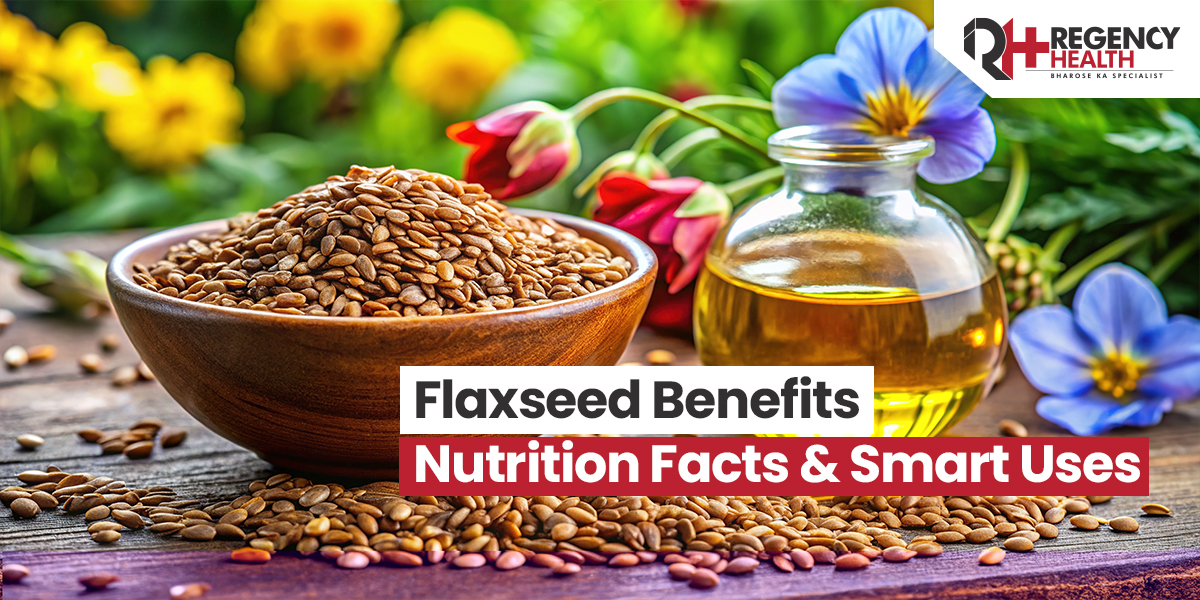
Introduction
Flaxseed has gained popularity as a superfood due to its impressive nutritional profile and wide range of health benefits. Whether you are looking to improve digestion, support heart health, or boost overall wellness, adding flaxseed to your diet can be a simple yet effective step.
Many people often ask what is flaxseed and how it can be used in daily meals. These tiny seeds are packed with essential nutrients, including fiber, protein, and healthy fats such as flaxseed omega 3 fatty acids.
What Is Flaxseed?
Flaxseed, also known as linseed, comes from the flax plant (Linum usitatissimum). It has been used for centuries for both culinary and medicinal purposes. Understanding what is flaxseed helps in appreciating its role in modern nutrition.
These seeds are small, brown or golden in color, and can be consumed whole, ground, or as oil. They are especially valued for their high fiber content and plant-based omega-3 fatty acids.
Key Characteristics:
- Rich in dietary fiber
- Contains plant-based protein
- High in lignans (antioxidants)
- Source of flaxseed omega 3 fatty acids
Flaxseed Nutrition
The nutritional value of flaxseed makes it a powerful addition to a healthy diet. It provides essential nutrients that support multiple body functions.
Nutritional Value of Flaxseed (Per 1 Tablespoon)
| Nutrient | Amount (Approx.) |
|---|---|
| Calories | 37 kcal |
| Protein | 1.3 g |
| Fiber | 2 g |
| Fat | 3 g |
| Omega-3 (ALA) | 1.6 g |
| Magnesium | 27 mg |
Flaxseed Benefits
The growing popularity of flaxseed is largely due to its numerous health benefits. Including flaxseed regularly in your diet can contribute to long-term wellness.
Key Flaxseed Benefits:
1. Supports Heart Health
Flaxseed contains omega-3 fatty acids that help reduce inflammation and improve heart health. It may also help lower cholesterol levels.
2. Improves Digestion
The high fiber content promotes healthy digestion and prevents constipation. It supports gut health by feeding beneficial bacteria.
3. Aids Weight Management
Flaxseed keeps you full for longer, reducing hunger and calorie intake, which supports weight control.
4. Regulates Blood Sugar
It helps stabilize blood sugar levels, making it beneficial for people with diabetes or insulin resistance.
5. Supports Hormonal Balance
Lignans present in flaxseed may help regulate hormones, especially in women.
Flaxseed Omega 3: Why It Matters
One of the most important components of flaxseed is its omega-3 fatty acid content. These are essential fats that the body cannot produce on its own.
Benefits of Flaxseed Omega 3:
- Reduces inflammation
- Supports brain health
- Improves heart function
- Enhances skin health
For vegetarians, flaxseed is one of the best plant-based sources of omega-3 fatty acids.
How to Use Flaxseed in Daily Diet
Adding flaxseed to your daily routine is simple and versatile. It can be consumed in different forms depending on your preference.
Ways to Use Flaxseed:
- Add ground flaxseed to smoothies
- Mix with yogurt or oatmeal
- Sprinkle over salads
- Use in baking (bread, muffins)
- Add to roti or dosa batter
Tips:
- Prefer ground flaxseed for better absorption
- Drink enough water when consuming flaxseed
- Start with small quantities
Easy Flaxseed Recipes
Including flaxseed recipes in your diet makes it easier to enjoy its benefits regularly.
- Flaxseed Smoothie: Blend milk, banana, flaxseed, and honey for a healthy drink.
- Flaxseed Roti: Add ground flaxseed to wheat flour for a nutritious twist.
- Flaxseed Chutney: Roast flaxseed and grind with spices for a flavorful chutney.
- Flaxseed Oatmeal: Mix flaxseed with oats, fruits, and nuts for a healthy breakfast.
Who Should Eat Flaxseed?
Flaxseed is suitable for most people and can be especially beneficial for:
- Individuals with heart health concerns
- People trying to lose weight
- Diabetics managing blood sugar
- Vegetarians needing omega-3 sources
- Individuals with digestive issues
Are There Any Side Effects?
While flaxseed is generally safe, excessive consumption may cause side effects.
Possible Side Effects:
- Bloating or gas
- Digestive discomfort
- Allergic reactions (rare)
Safety Tips:
- Consume in moderation (1–2 tablespoons daily)
- Drink plenty of water
- Consult a doctor if pregnant or on medication
When to Consult a Doctor
If you have underlying health conditions or experience unusual symptoms after consuming flaxseed, it is advisable to seek medical guidance.
Many individuals rely on expert care at the best hospital in Kanpur associated with Regency Hospitals for personalized dietary and health advice to ensure safe and effective nutrition planning.
Conclusion
Flaxseed is a powerful and nutrient-rich superfood that offers a wide range of health benefits. From improving digestion and supporting heart health to providing essential flaxseed omega 3 fatty acids, it plays an important role in a balanced diet.
Understanding what is flaxseed, its nutritional value, and how to include it in daily meals can help you make healthier lifestyle choices. With simple additions like smoothies, rotis, and salads, you can easily enjoy the benefits of flaxseed every day.
A balanced diet, combined with proper medical guidance when needed, can help you achieve better health and overall well-being.
Frequently Asked Questions (FAQs)
What is flaxseed and how is it used?
Flaxseed is a nutrient-rich seed used in smoothies, baking, and meals to improve overall health.
What are the main flaxseed benefits?
Flaxseed benefits include improved digestion, heart health, weight management, and better blood sugar control.
Is flaxseed rich in omega-3?
Yes, flaxseed omega 3 fatty acids make it one of the best plant-based sources of healthy fats.
How much flaxseed should I eat daily?
1–2 tablespoons per day is considered safe and beneficial.
Can flaxseed help with weight loss?
Yes, flaxseed helps control appetite and supports weight management due to its high fiber content.
Read More:
- Top 10 Foods for Kidney Health: Best Nutrient-Rich Picks
- Eat These Foods For Boosting Your Immune System
- High-Protein Vegan Foods & Vegetarian Protein Sources
- 8 things you can replace your sugar and sweets with