

 Call-an-Ambulance
Why Heat Rash Happens in Summer and How to Avoid It
Introduction
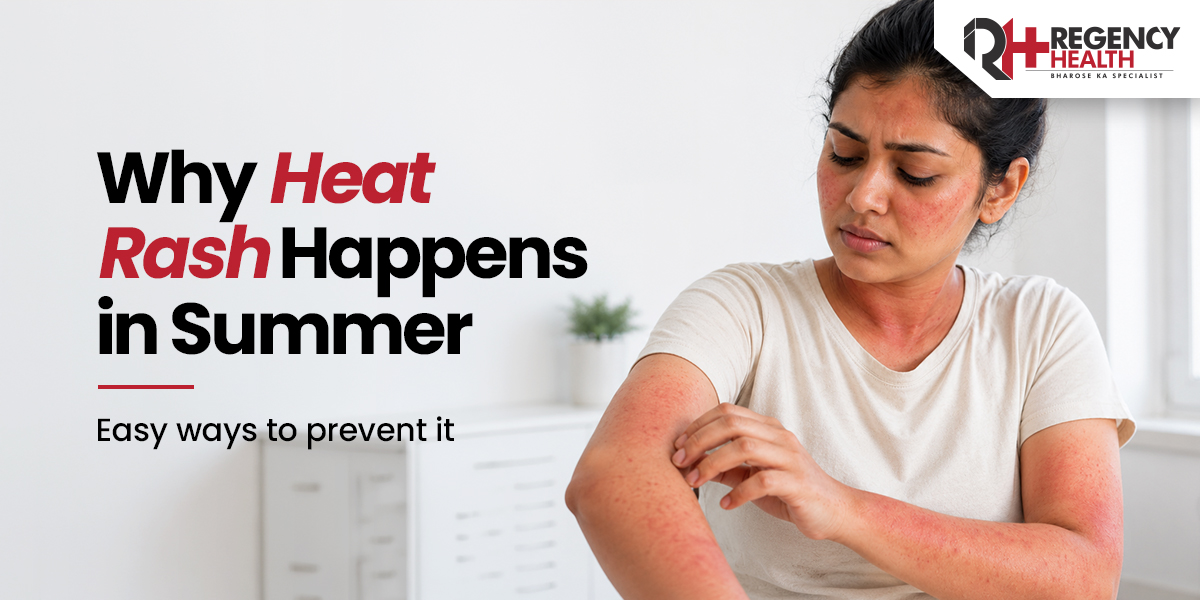
Summer brings intense heat, sweating, and humidity, which can often lead to uncomfortable skin problems. One of the most common skin conditions during hot weather is heat rash. It affects both children and adults and usually appears in areas where sweat gets trapped under the skin. Although heat rash is generally harmless, it can cause itching, irritation, redness, and discomfort if not managed properly.
Understanding why heat rash happens and how to prevent it is important for maintaining healthy skin during summer. In this article, we will discuss heat rash symptoms, causes, treatment options, and practical ways to prevent this common summer skin condition.
What Is Heat Rash?
Heat rash, also known as prickly heat or miliaria, occurs when sweat ducts become blocked and trap sweat beneath the skin. This trapped sweat causes inflammation, small bumps, redness, and irritation. Heat rash is more common in hot and humid weather when excessive sweating occurs.
It can affect people of all age groups, especially infants, athletes, outdoor workers, and individuals living in tropical climates. Heat rash can appear on different parts of the body, including the neck, chest, back, underarms, groin, and even the face.
Why Heat Rash Happens in Summer
During summer, the body sweats more to cool itself naturally. However, excessive sweating combined with humidity can block sweat glands and prevent sweat from evaporating properly. This leads to the development of heat rash.
Common Causes of Heat Rash
| Cause | How It Contributes |
|---|---|
| Excessive sweating | Blocks sweat ducts |
| Hot and humid weather | Prevents sweat evaporation |
| Tight clothing | Traps sweat and heat |
| Poor ventilation | Increases skin irritation |
| Intense physical activity | Causes excessive perspiration |
| Oily creams and lotions | May clog pores |
People who spend long hours outdoors during summer are at a higher risk of developing heat rash symptoms.
Types of Heat Rash
Heat rash can vary in severity depending on how deeply the sweat glands are blocked.
1. Miliaria Crystallina
This is the mildest form of heat rash and appears as tiny clear blisters filled with sweat. These blisters usually break easily and heal quickly.
2. Miliaria Rubra
This is the most common type and is often called prickly heat. It causes red bumps, itching, and a prickling sensation on the skin.
3. Miliaria Profunda
This is a deeper and less common form of heat rash that may cause flesh-colored bumps and inflammation.
Heat Rash Symptoms
Recognizing heat rash symptoms early can help prevent worsening irritation and discomfort. Symptoms may differ from person to person depending on the severity of the condition.
Common Heat Rash Symptoms
- Small red bumps on the skin
- Itching or prickling sensation
- Mild swelling or irritation
- Burning feeling on affected areas
- Tiny fluid-filled blisters
- Skin redness and discomfort
Heat rash symptoms often worsen after sweating or spending time in hot environments.
Heat Rash on Face
Heat rash on face is common during extremely hot weather, especially in people with oily or sensitive skin. Sweat and oil accumulation can block pores, leading to irritation and tiny red bumps.
Common Areas Affected on the Face:
- Forehead
- Around the nose
- Cheeks
- Chin
Signs of Heat Rash on Face:
- Redness
- Tiny itchy bumps
- Skin irritation
- Burning sensation
Using heavy creams or makeup during summer may worsen heat rash on face.
Who Is More Likely to Get Heat Rash?
Some individuals are more prone to developing heat rash during summer.
| High-Risk Groups | Reason |
|---|---|
| Infants | Sweat glands are not fully developed |
| Athletes | Excessive sweating |
| Outdoor workers | Constant heat exposure |
| Bedridden patients | Poor air circulation |
| People in humid climates | Increased sweating |
Heat Rash Treatment
Most cases of heat rash improve on their own once the skin cools down. However, proper heat rash treatment can help reduce itching, irritation, and discomfort faster.
1. Keep the Skin Cool
One of the most effective ways to manage heat rash is to keep the body and skin cool. Excessive heat and sweating can worsen irritation and increase discomfort. Moving to an air-conditioned room, staying under a fan, or taking cool showers can help lower body temperature and reduce sweating. Cooling the skin also helps unclog sweat ducts and allows the rash to heal faster. Avoid spending long hours outdoors during peak summer heat, especially in the afternoon.
Benefits:
- Reduces excessive sweating
- Helps soothe irritated skin
- Prevents worsening of heat rash symptoms
- Supports faster healing
2. Wear Loose Cotton Clothing
Tight or synthetic clothing can trap sweat and heat against the skin, making heat rash worse. Wearing loose-fitting cotton clothes allows proper air circulation and helps sweat evaporate naturally. Cotton is soft, breathable, and gentle on irritated skin, reducing friction and discomfort. During summer, light-colored and lightweight clothing is recommended to keep the body cool and dry.
Benefits:
- Improves airflow around the skin
- Reduces sweating and irritation
- Prevents friction on affected areas
- Keeps the skin comfortable during hot weather
3. Use Cold Compresses
Applying a cold compress or cool damp cloth to the affected area can provide immediate relief from itching, redness, and burning sensations caused by heat rash. The cooling effect helps calm inflamed skin and reduces irritation. Cold compresses can be applied several times a day for a few minutes to help soothe discomfort and reduce swelling.
Benefits:
- Relieves itching and burning sensation
- Reduces skin redness and inflammation
- Provides instant cooling relief
- Helps calm irritated skin quickly
4. Calamine Lotion
Calamine lotion is commonly used to soothe skin irritation and itching associated with heat rash. It has cooling and drying properties that help reduce discomfort and keep the affected area dry. Applying a thin layer of calamine lotion may help relieve prickling sensations and improve overall skin comfort during hot weather.
Benefits:
- Soothes itching and irritation
- Provides a cooling effect on the skin
- Helps dry excessive sweat and moisture
- Reduces discomfort caused by heat rash
5. Avoid Heavy Creams
Heavy creams, oily lotions, and thick cosmetic products can block pores and sweat ducts, making heat rash more severe. During summer, it is better to use lightweight, non-greasy skincare products that allow the skin to breathe. Avoiding thick creams helps prevent further blockage of sweat glands and supports faster recovery.
Benefits:
- Prevents clogging of sweat ducts
- Reduces risk of worsening heat rash
- Allows the skin to breathe properly
- Helps maintain healthy skin during summer
6. Stay Hydrated
Drinking enough water throughout the day is essential during summer. Proper hydration helps regulate body temperature and prevents excessive overheating. When the body remains hydrated, sweating functions more effectively, reducing the chances of blocked sweat ducts and heat rash. Fresh fruits, coconut water, and hydrating drinks can also help maintain fluid balance.
Benefits:
- Helps regulate body temperature
- Prevents dehydration during hot weather
- Supports healthy sweating and cooling mechanisms
- Keeps the skin healthy and refreshed
How to Get Rid of Heat Rash Quickly
Many people look for ways on how to get rid of heat rash quickly during summer. While heat rash often resolves naturally, these tips can help speed recovery.
Quick Relief Tips
| Remedy | Benefit |
|---|---|
| Cold showers | Reduce skin temperature |
| Aloe vera gel | Soothes irritated skin |
| Ice compress | Reduces itching and redness |
| Loose clothing | Prevents friction |
| Talcum-free powder | Keeps skin dry |
Avoid scratching the affected skin because it may increase irritation or cause infection.
How to Prevent Heat Rash
Prevention is one of the best ways to avoid discomfort during hot weather. Maintaining healthy skin habits can significantly reduce the risk of heat rash.
Prevention Tips
- Stay Cool Indoors:Use fans, cool showers, or air conditioning during extreme heat.
- Wear Breathable Fabrics: Choose lightweight cotton clothing instead of synthetic materials.
- Avoid Excess Sweating: Limit outdoor activities during peak afternoon heat.
- Keep Skin Dry: Dry sweat-prone areas regularly to avoid moisture buildup.
- Avoid Thick Skin Products: Heavy lotions and creams may block pores and increase sweating.
Foods and Hydration for Healthy Skin in Summer
Diet and hydration also play an important role in skin health during summer.Drinking sufficient water throughout the day can help regulate body temperature and reduce excessive sweating.
| Recommended Foods | Benefits |
|---|---|
| Watermelon | Keeps body hydrated |
| Cucumber | Provides cooling effect |
| Coconut water | Restores electrolytes |
| Fresh fruits | Rich in antioxidants |
| Yogurt | Helps cool the body |
When to See a Doctor
Although heat rash is usually mild, medical attention may be necessary if symptoms become severe.
- Rash lasts longer than a few days
- Severe pain or swelling develops
- Fever accompanies the rash
- Pus or infection appears
- Rash spreads rapidly
Persistent skin irritation should always be evaluated by a healthcare professional.
Importance of Proper Skin Care During Summer
Summer skin problems can often be prevented with simple lifestyle habits. Maintaining hygiene, staying hydrated, and protecting the skin from excessive heat are essential for healthy skin. Timely care can also prevent minor heat rash from becoming more uncomfortable or infected.
People experiencing recurring skin issues during summer should seek expert medical advice for proper diagnosis and treatment.
Conclusion
Heat rash is a common summer skin condition caused by blocked sweat ducts and excessive sweating. Although it is usually harmless, it can cause itching, redness, irritation, and discomfort if ignored. Understanding heat rash symptoms, causes, and prevention methods can help you protect your skin during hot weather.
Simple measures such as staying cool, wearing breathable clothing, drinking enough water, and maintaining proper hygiene can significantly reduce the risk of heat rash. If symptoms become severe or persistent, seeking medical care is important for proper treatment and skin protection. For expert skin care consultation and advanced dermatology treatment, many people trust Regency Hospitals, known for having the best dermatologist in Kanpur.
FAQs
What causes heat rash during summer?
Heat rash is mainly caused by blocked sweat glands due to excessive sweating and hot, humid weather.
How long does heat rash last?
Mild heat rash usually improves within a few days if the skin is kept cool and dry.
How to get rid of heat rash quickly?
Cold showers, loose clothing, aloe vera gel, and staying in cool environments may help relieve symptoms faster.
Is heat rash contagious?
No, heat rash is not contagious and cannot spread from person to person.
Can heat rash appear on the face?
Yes, heat rash on face can occur due to sweat, oil buildup, and exposure to hot weather.
Read More:
- 20 Simple Home Remedies for Glowing Skin
- Skin Rash on Body: Causes, Types, Symptoms & Treatment
- Summer Skincare Tips for Radiant Skin – Regency Healthcare Ltd.
- Different types of Skin Disorders – Regency Healthcare Ltd