

 Call-an-Ambulance
Liver Cirrhosis Symptoms: Early Warning Signs You Should Not Ignore
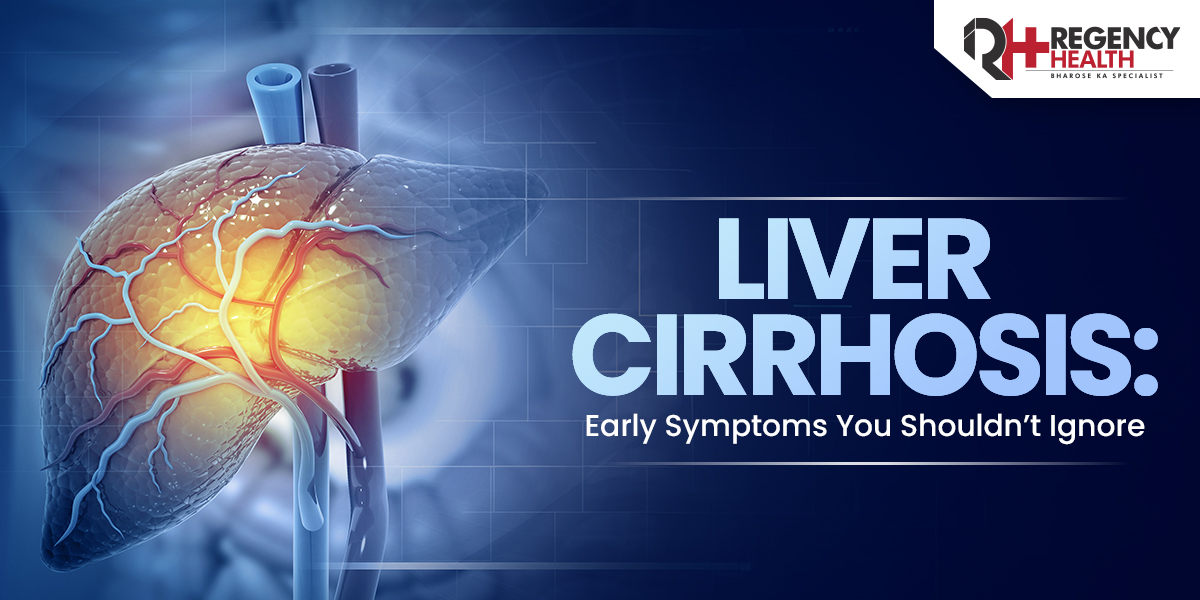
The liver is one of the most hardworking organs in the human body. It filters toxins, supports digestion, regulates metabolism, and helps fight infections. When the liver is repeatedly damaged over time, healthy tissue can be replaced with scar tissue, leading to a serious condition known as cirrhosis of the liver.
Liver cirrhosis often develops silently, with early symptoms that are easy to ignore. Understanding the warning signs, causes, stages, and treatment options can help people seek medical care before permanent damage occurs.
What Is Cirrhosis of the Liver?
If you are wondering about cirrhosis of the liver, it is a chronic condition where long-term liver damage causes scarring (fibrosis). This scarring blocks blood flow through the liver and interferes with its vital functions.
Unlike short-term liver inflammation, cirrhosis is usually irreversible. However, early diagnosis and proper management can slow progression, relieve symptoms, and prevent complications.
Why Liver Cirrhosis Should Not Be Ignored
Cirrhosis of the liver affects many essential body systems. As liver function declines, toxins build up in the blood, digestion becomes impaired, and immunity weakens. Without timely care, cirrhosis can lead to liver failure, internal bleeding, or liver cancer.
Recognising liver cirrhosis symptoms early plays a crucial role in improving outcomes.
Early Liver Cirrhosis Symptoms
In the initial stages, liver damage may not cause noticeable problems. Early liver cirrhosis symptoms are often mild and mistaken for everyday fatigue or digestive issues.
Common Early Warning Signs
- Persistent tiredness or weakness
- Loss of appetite
- Unexplained weight loss
- Nausea or mild abdominal discomfort
- Itchy skin
- Reduced concentration
These symptoms may come and go, which is why many people delay seeking medical advice.
Advanced Liver Cirrhosis Symptoms
As scarring increases and liver function worsens, symptoms become more severe and visible.
Symptoms of Advanced Cirrhosis
- Yellowing of skin and eyes (jaundice)
- Swelling in legs, feet, or abdomen (ascites)
- Easy bruising or frequent nosebleeds
- Dark urine and pale stools
- Confusion, memory problems, or sleep changes
- Vomiting blood or black stools
At this stage, urgent medical attention is essential.
Liver Cirrhosis Causes
Understanding liver cirrhosis causes helps in both prevention and treatment planning. Cirrhosis usually develops after years of ongoing liver damage.
Common Causes of Liver Cirrhosis
| Causes | How It Affects the Liver |
|---|---|
| Chronic alcohol use | Repeated inflammation and liver cell damage |
| Viral hepatitis (B & C) | Long-term infection leading to liver scarring |
| Fatty liver disease | Fat buildup causing liver inflammation |
| Autoimmune liver disease | Immune system attacks healthy liver cells |
| Genetic disorders | Conditions such as hemochromatosis affecting iron metabolism |
| Bile duct diseases | Blocked bile flow leading to progressive liver damage |
Identifying the cause is critical for choosing the right liver cirrhosis treatment.
Types of Liver Cirrhosis
There are several types of liver cirrhosis, classified based on the underlying cause.
Major Types Include:
- Alcoholic cirrhosis – due to long-term alcohol consumption
- Post-hepatitic cirrhosis – caused by chronic viral hepatitis
- Non-alcoholic fatty liver cirrhosis – linked to obesity and diabetes
- Biliary cirrhosis – caused by bile duct damage
- Cardiac cirrhosis – due to chronic heart failure
Each type progresses differently and requires a tailored care approach.
Liver Cirrhosis Stages Explained
Doctors classify the disease based on severity and complications. Understanding liver cirrhosis stages helps patients know what to expect and how urgently treatment is needed.
What Are the 4 Stages of Cirrhosis of the Liver?
| Stage | Description |
|---|---|
| Stage 1 – Compensated | Liver is scarred but still functions |
| Stage 2 – Portal hypertension | Increased pressure in liver blood vessels |
| Stage 3 – Decompensated | Fluid buildup, jaundice, and internal bleeding |
| Stage 4 – End-stage | Severe liver failure with life-threatening complications |
These liver cirrhosis stages guide treatment decisions and long-term planning.
How Liver Cirrhosis Is Diagnosed
Diagnosis involves a combination of clinical evaluation and tests.
Common Diagnostic Tools
- Blood tests to assess liver function
- Ultrasound, CT scan, or MRI
- FibroScan to measure liver stiffness
- Liver biopsy in selected cases
Early diagnosis significantly improves management options.
Liver Cirrhosis Treatment Options
While cirrhosis cannot always be reversed, liver cirrhosis treatment focuses on slowing disease progression, managing symptoms, and preventing complications.
Treatment Approaches
| Treatment | Purpose |
|---|---|
| Medications | Control infection, inflammation, and related complications |
| Lifestyle changes | Stop alcohol use, manage weight, and improve diet |
| Nutritional support | Prevents malnutrition and supports liver function |
| Managing complications | Treats ascites, bleeding, and hepatic encephalopathy |
| Liver transplant | Recommended for advanced or end-stage liver disease |
Treatment plans depend on disease stage, cause, and overall health.
Living With Liver Cirrhosis
With proper care, many people live meaningful lives despite cirrhosis. Long-term management includes:
- Regular monitoring
- Vaccinations
- Avoiding alcohol and liver-toxic drugs
- Balanced nutrition
- Managing other conditions like diabetes
Consistent follow-up is essential to prevent sudden deterioration.
When Should You See a Specialist?
Medical advice should be sought if symptoms persist or worsen. Consulting an experienced specialist early can make a significant difference. Many patients benefit from timely evaluation by experts, including the best gastroenterologist in Gorakhpur at Regency Hospitals, who can guide accurate diagnosis and stage-appropriate care.
Conclusion
Cirrhosis of the liver is a serious but often preventable condition when detected early. Recognising liver cirrhosis symptoms, understanding possible causes, and knowing the stages of the disease empower individuals to seek timely medical attention. Advances in diagnostics and treatment have improved outcomes, especially when care is started before complications develop.
Access to experienced specialists, advanced diagnostics, and coordinated care plays a vital role in managing this condition. Many patients choose Regency Hospitals for evidence-based liver care, where comprehensive evaluation and long-term management are focused on improving quality of life and outcomes.
Frequently Asked Questions (FAQs)
What is cirrhosis of the liver?
Cirrhosis is long-term liver damage where healthy tissue is replaced by scar tissue, affecting liver function.
What are the earliest liver cirrhosis symptoms?
Early symptoms include fatigue, loss of appetite, nausea, and mild abdominal discomfort.
What are the main liver cirrhosis causes?
Common causes include alcohol abuse, viral hepatitis, fatty liver disease, and autoimmune disorders.
What are the 4 stages of cirrhosis of the liver?
They include compensated, portal hypertension, decompensated, and end-stage cirrhosis.
Is liver cirrhosis treatment possible?
While cirrhosis cannot always be reversed, treatment can slow progression, manage symptoms, and prevent complications.
Read More:
- Liver Disease: Causes, Types, Symptoms and Treatment
- Liver Cleanse: How To Detox Your Liver Naturally!
- Liver Cancer: Symptoms, Causes, Types, Signs and Treatment
- Fatty Liver: Symptoms, Causes, Problems & How to Reduce It Naturally