
 Call-an-Ambulance
What is Hypocalcemia: Symptoms & Effective Treatment Options
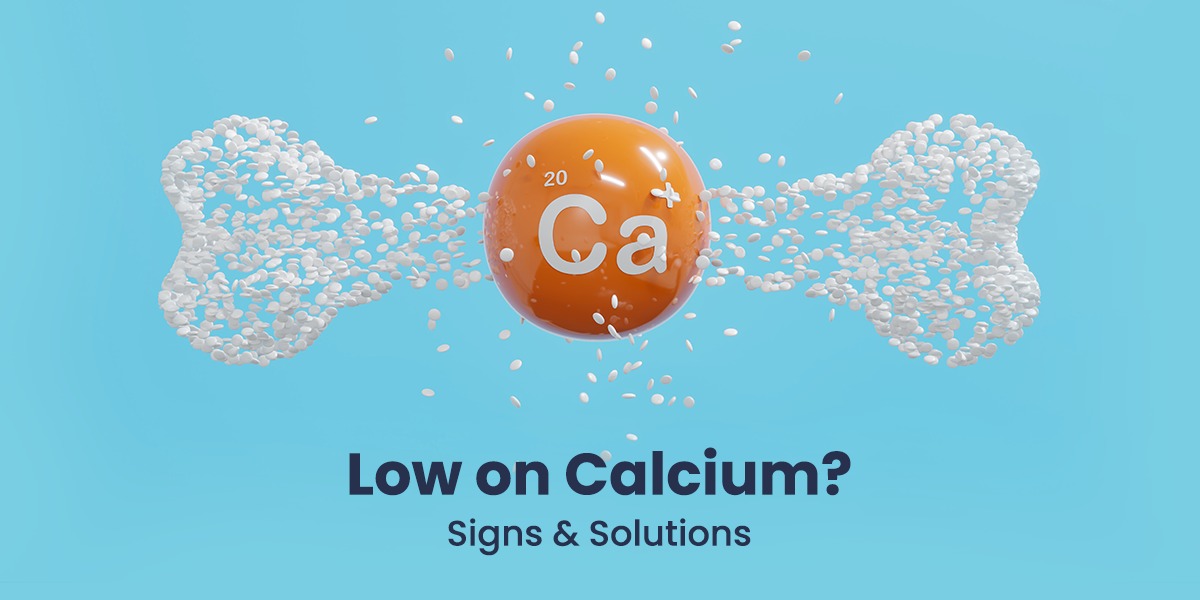
Calcium doesn’t usually get attention until something feels off. A sudden muscle cramp that won’t ease, a strange tingling in the fingers, or constant fatigue that doesn’t quite make sense. Many people brush these signs aside. But sometimes, they point to something deeper, which is hypocalcemia.
Hypocalcemia happens when calcium levels in the blood fall below what the body needs to function normally. It may sound simple, but calcium plays a role in almost everything, from muscle movement and nerve signals to heart rhythm and hormone release. When levels drop, the body reacts in ways that are hard to ignore, especially if the deficiency is prolonged.
The good part? Hypocalcemia is usually manageable. With the right diagnosis and treatment, most people recover well and avoid long-term complications.
What Is Hypocalcemia?
Hypocalcemia is a medical condition where the concentration of calcium in the blood is lower than normal. Blood calcium levels are tightly regulated by the parathyroid glands, vitamin D, kidneys, and bones. When one or more of these systems doesn’t work as expected, calcium balance gets disturbed.
In mild cases, hypocalcemia may not cause noticeable symptoms right away. In moderate to severe cases, however, it can affect muscles, nerves, and even the heart. That’s why it’s not something to delay or self-treat.
Why Calcium Matters More Than You Think
Most people associate calcium with bones and yes, bones store nearly 99% of the body’s calcium. But the remaining 1% circulating in the blood is just as critical.
Calcium helps:
- Muscles contract and relax properly
- Nerves send signals smoothly
- The heart maintain a steady rhythm
- Blood clot when needed
When calcium intake is low or absorption is poor, the body pulls calcium from bones to maintain blood levels. Over time, this weakens bones and increases fracture risk. So the issue isn’t just about numbers on a blood report, it’s about long-term health.
Hypocalcemia Symptoms: Signs the Body Sends Early
Hypocalcemia symptoms don’t always appear suddenly. In fact, many people live with low calcium for some time before realising something is wrong.
Common Physical Symptoms
- Muscle cramps, often in the legs or lower back
- Tingling or numbness around the lips, fingers, or toes
- Dry or rough skin
- Brittle nails
- Constant tiredness
Neurological and Mental Changes
As calcium levels fall further, the nervous system may get involved:
- Difficulty concentrating
- Irritability or mood changes
- Memory lapses
- Confusion, in more advanced cases
Severe Symptoms That Need Urgent Care
- Muscle spasms or stiffness
- Seizures
- Irregular heartbeat
- Breathing difficulty
If these appear, medical attention should not be delayed.
Hypocalcemia Causes: Why Calcium Levels Drop
Understanding hypocalcemia causes is essential because treatment depends on what’s driving the deficiency. Hypocalcemia is often a result of another underlying condition rather than a standalone disease.
Common causes include:
- Hypoparathyroidism: Reduced parathyroid hormone production, sometimes after thyroid or neck surgery
- Vitamin D deficiency: Limits calcium absorption from the intestines
- Chronic kidney disease: Affects vitamin D activation and calcium balance
- High phosphorus levels: Often linked to kidney disorders
- Medications: Certain anti-seizure drugs, chemotherapy agents, or long-term bisphosphonate use
Temporary hypocalcemia can also occur after major surgery, severe infections, or blood transfusions. This is why medical history matters so much during diagnosis.
When Hypocalcemia Needs Monitoring vs Medical Care
| Situation | What It Usually Means | What to Do |
|---|---|---|
| No symptoms, mild deficiency | Often picked up on routine blood tests | Dietary changes and follow-up testing |
| Recurrent cramps or tingling | Calcium levels may be falling further | Start supplements after medical advice |
| Spasms, seizures, heart symptoms | Severe calcium imbalance | Seek immediate medical care |
How Hypocalcemia Is Diagnosed
Diagnosis usually starts with a blood test measuring calcium levels. But that’s only part of the picture. Doctors often order additional tests to understand why calcium is low, such as:
- Parathyroid hormone (PTH) levels
- Vitamin D levels
- Kidney function tests
- Magnesium and phosphorus levels
This step matters. Treating calcium levels alone, without addressing the cause, often leads to recurrence.
Hypocalcemia Treatment: What Actually Works
Hypocalcemia treatment depends on how low calcium levels are and what caused the drop in the first place. The goal is not just to raise calcium temporarily, but to stabilise it long term.
Common treatment approaches are:
- Oral calcium supplements for mild to moderate deficiency
- Vitamin D supplementation to improve absorption
- Dietary changes, including calcium-rich foods like dairy, leafy greens, and fortified products
- Intravenous calcium in severe or emergency cases
Patients with chronic conditions may need long-term treatment and regular monitoring. Consistency here makes all the difference.
Treatment Approach Based on Severity
| Severity | Recommended Treatment |
|---|---|
| Mild | Oral calcium, dietary changes |
| Moderate | Calcium + vitamin D supplements |
| Severe | IV calcium, hospital monitoring |
Conclusion
Hypocalcemia may start quietly, but its effects can grow if left unaddressed. The good news is that with early diagnosis, proper treatment, and regular follow-up, most people recover well and maintain healthy calcium levels.
For many patients, the turning point is getting the right medical guidance at the right time. At Regency Hospitals, hypocalcemia is managed with careful evaluation, clear explanations, and treatment plans that are practical to follow in real life. The focus is not just on correcting calcium levels, but on understanding why they dropped in the first place and helping patients stay well over the long term.
If you’re looking for an experienced endocrinology doctor in Gorakhpur, our team offers expert care, consistent follow-up, and support you can rely on as you move forward with confidence.
FAQs
What are the symptoms of low calcium levels?
Low calcium often starts quietly with muscle cramps, tingling in the fingers or lips, fatigue, or brittle nails. If levels drop further, it can lead to spasms, seizures, or heart rhythm problems.
How do you treat hypocalcemia?
Most cases are treated with calcium and vitamin D supplements. Severe deficiency may need intravenous calcium, along with treatment of the underlying cause.
What is the main cause of hypocalcemia?
Vitamin D deficiency and low parathyroid hormone levels are the most common causes, as both affect how calcium is absorbed and regulated.
What are four symptoms of hypercalcemia?
Nausea, constipation, frequent urination, and confusion are common signs. Weakness and fatigue may also occur.
Does vitamin D increase calcium in the blood?
Yes. Vitamin D helps the body absorb calcium from food, which raises calcium levels in the blood.
Read More:
- Difference Between Type 1 and Type 2 Diabetes: Which is more Dangerous
- Types of Diabetes and How to Manage it!
- Type 2 Diabetes: Early Signs and Symptoms
- Type 1 vs Type 2 Diabetes: Causes, Symptoms & Treatment