Blogs

Your guide to all the latest updates about the trending health topics.

March-23.jpg

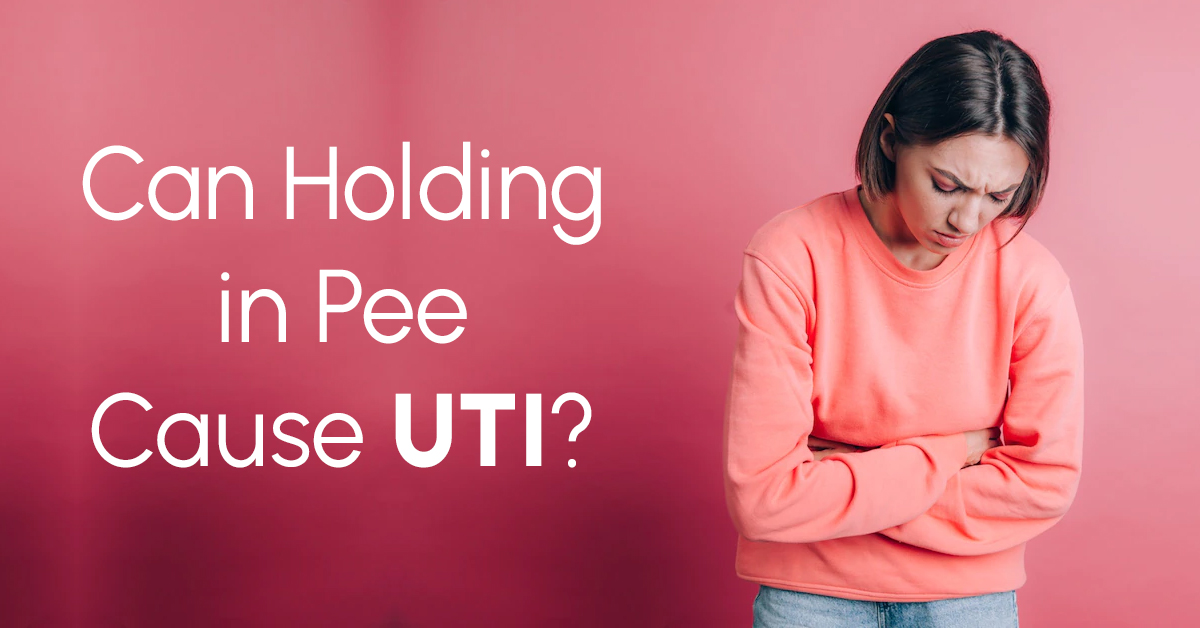
Most of us occasionally hold our pee due to work, travel, meetings, or lack of a restroom. Ignoring our urge to urinate frequently can put pressure on our bladder and urinary system. Holding our pee occasionally is not harmful, but doing this frequently over a long period of time may lead to urinary discomfort and bladder problems. It may even increase the risk of urinary tract infection. A healthy adult bladder can typically hold about 400 to 500 milliliters of urine, which is roughly two cups. The bladder is elastic and can stretch slightly beyond this capacity, but it is designed to empty regularly. Most healthcare professionals recommend urinating every 3 to 4 hours during the day when you are awake. This article explains whether holding in pee can cause a UTI, what happens inside the body when you delay urination, and how you can protect your urinary health.


Strep-Throat.jpg

A sore throat is one of the most common reasons people visit a doctor, especially during seasonal changes. While many sore throats are caused by viral infections and improve on their own, some are due to strep throat, a bacterial infection that requires proper medical care. Understanding how strep throat presents differently in children and adults is important for early diagnosis and prevention of complications. Many parents worry when their child suddenly develops fever and throat pain, while adults may ignore symptoms thinking it’s a routine cold. Learning to recognize the warning signs can make a significant difference in recovery.


Glomerulonephritis.jpg

Glomerulonephritis occurs when the glomeruli are damaged or inflamed. These structures filter waste, excess salts, and fluids from the blood to produce urine. Inflammation reduces their filtering ability, leading to waste buildup, fluid retention, and other complications. Acute glomerulonephritis usually appears suddenly, often after infections such as streptococcal throat or skin infections. Chronic glomerulonephritis develops gradually over months or years and may result from autoimmune diseases, long-standing hypertension, or other causes of sustained kidney injury.


Diverticulitis.jpg

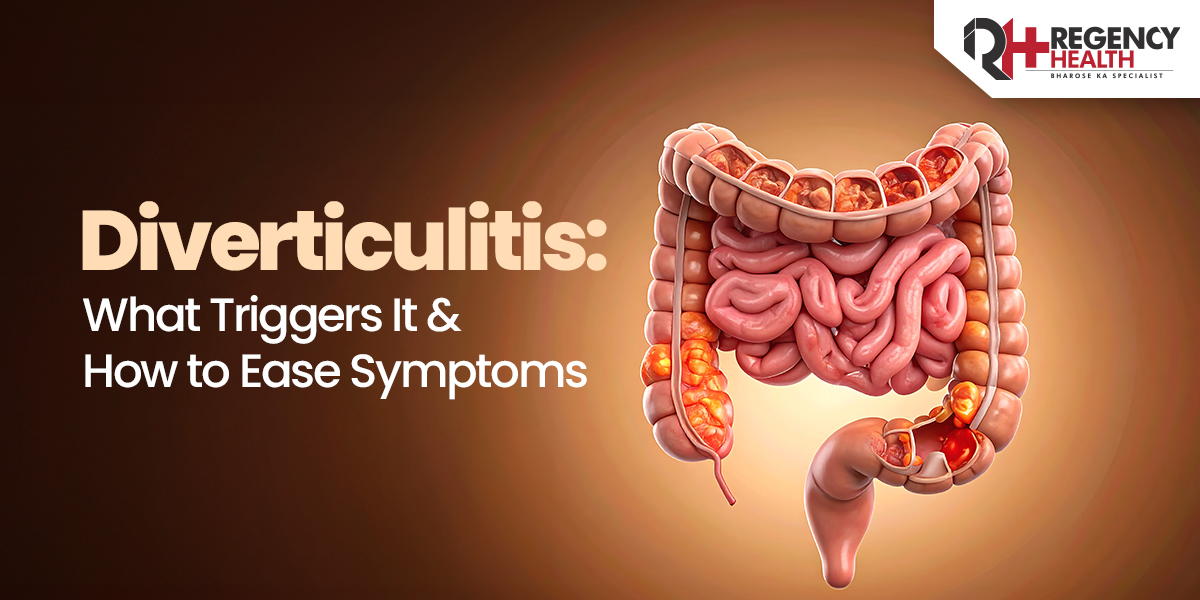
Digestive health issues are often overlooked until they start affecting everyday life. One such condition involves the inflammation of small pouches in the large intestine, which can lead to discomfort, pain, and changes in digestion. While many people may have these pouches without any symptoms, problems arise when they become inflamed or infected. Having a basic understanding of the condition, recognizing early warning signs, and being aware of available treatment options can help manage symptoms effectively and lower the risk of complications. Early attention and proper care play an important role in maintaining long-term digestive health.


Blog-Constipation.png

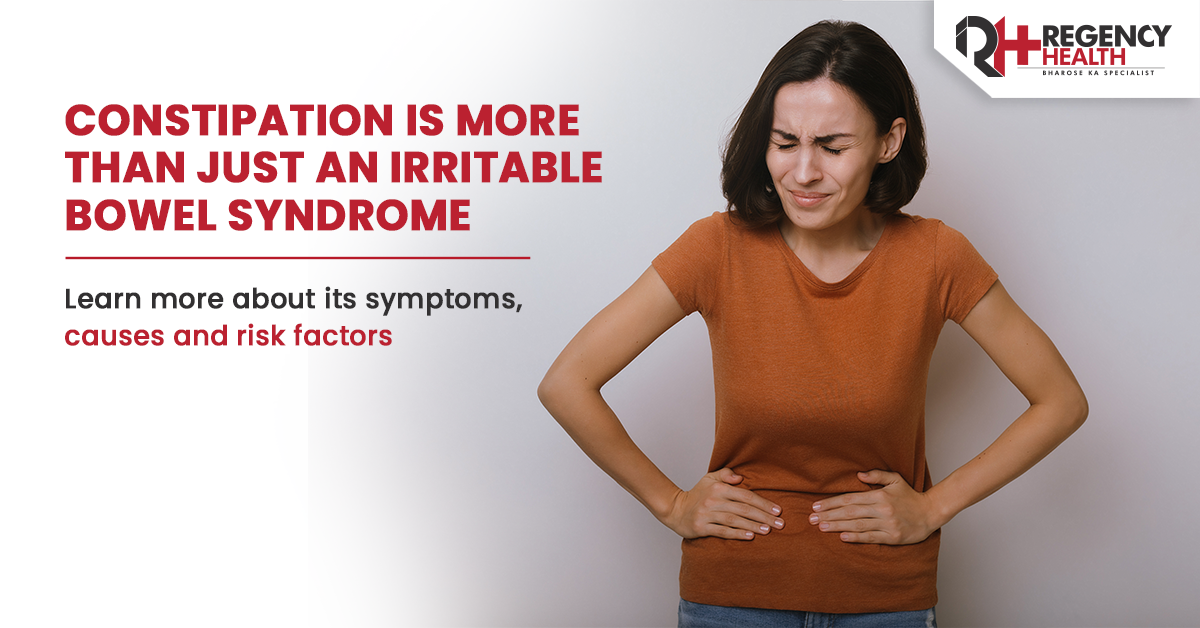
Constipation is a common digestive problem that affects people of all ages. Despite being widespread, it is often ignored or managed incorrectly. Many people search for what is constipation, what causes constipation, or how to cure constipation, yet continue to struggle due to confusion and delayed care. Gaining a clear understanding of this condition can help prevent discomfort and long term digestive problems.


6_August-03-Blog-Image-1200x628.png

Mental health conversations have become more open in recent years, but confusion around some of the core conditions still persists. Two terms that are most used interchangeably, sometimes casually, sometimes incorrectly are anxiety and depression. This blog will help you understand the difference between anxiety and depression​, the way they show up in daily life, the way they shape thoughts and the way they disrupt functioning.


WhatsApp-Image-2025-11-19-at-4.59.17-PM-1.jpeg

HP (Human Papillomavirus) is one of the most common sexually transmitted infections worldwide. It affects all genders; its impacts on women’s health are significant. In case of persistent infection, it can lead to genital warts and certain types of cancer. Because many HPV infections show no symptoms, women may be unaware they are affected until any complications arise. Here, we’ll understand HPV, its symptoms, causes, risk factors, and treatment to help you maintain long-term health.


Content-for-Creatives-Week-3-November-02-1200x628.jpg

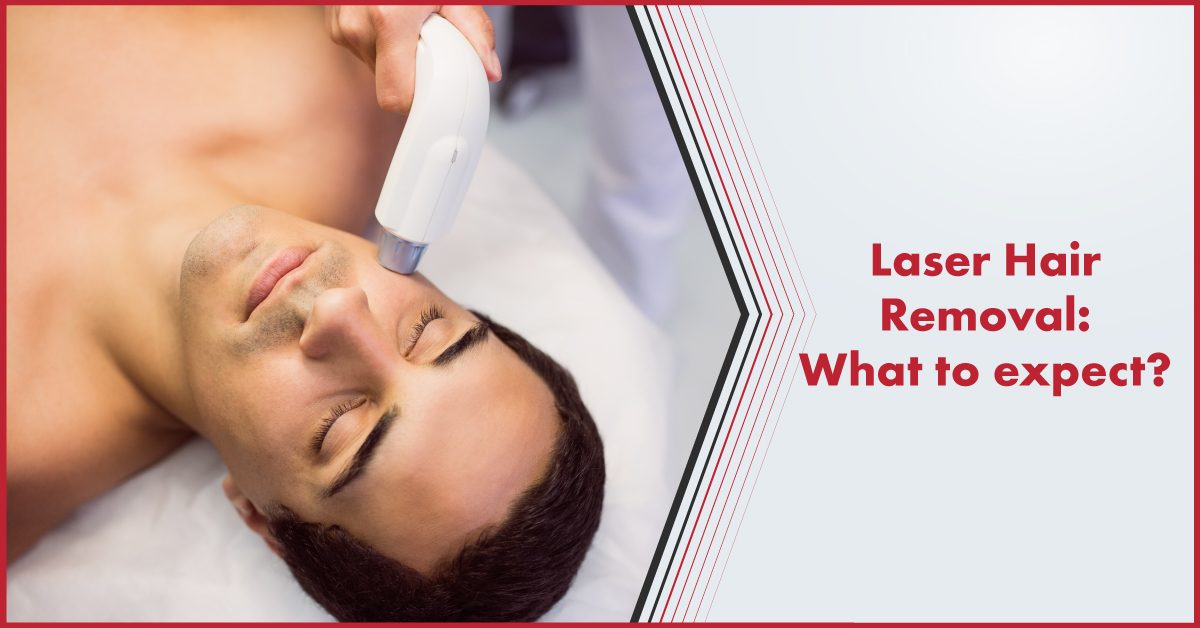
Unwanted hair is one of those things people rarely talk about openly, yet almost everyone deals with. Shaving becomes a routine. Waxing becomes a monthly headache. Threading feels endless. Over time, it’s not just about appearance. It’s about irritation, ingrown hairs, time wasted, and skin that never really feels calm. That’s exactly why laser hair removal has moved from being a “luxury treatment” to a practical, long-term solution. It promises fewer salon visits, smoother skin, and hair that simply stops growing back the way it used to. Sounds ideal, right? Still, questions remain. Is it safe? Is it permanent? What about side effects? And yes, the laser hair removal cost. Let’s walk through it properly, without hype and without scary myths.


© 2026 - Regency Healthcare

Call Back

Book an Appointment