
 Call-an-Ambulance
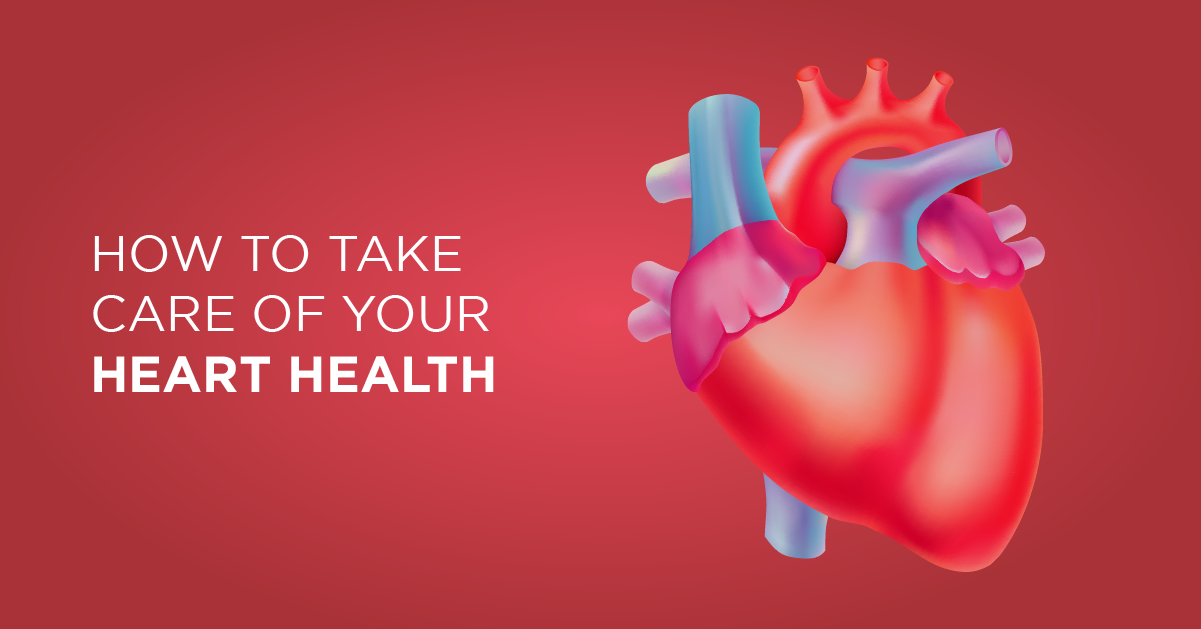
How to Take Care of Your Heart Health
Introduction
Your heart works continuously throughout your life, pumping blood and oxygen to every part of your body. Maintaining good heart health is essential not only for preventing heart disease but also for supporting overall well-being, energy levels, and longevity. According to health experts worldwide, cardiovascular diseases remain one of the leading causes of death, but many heart-related conditions can be prevented through healthy lifestyle choices.
The good news is that taking care of your heart does not always require drastic changes. Small daily habits such as eating nutritious foods, staying physically active, managing stress, and getting regular check-ups can significantly improve heart function and reduce the risk of disease. In this guide, we’ll explore practical ways to protect your heart, the importance of routine screenings, and the best foods for heart health.
What Is Heart Health?
Heart health refers to the proper functioning of the heart and blood vessels. A healthy heart efficiently pumps blood throughout the body, delivering oxygen and nutrients while removing waste products.
Good heart health is influenced by several factors, including:
- Blood pressure levels
- Cholesterol levels
- Blood sugar control
- Physical activity
- Diet and nutrition
- Body weight
- Smoking and alcohol consumption
- Stress management
When these factors are well managed, the risk of heart disease, stroke, and other cardiovascular conditions decreases significantly.
Why Heart Health Matters
The heart is responsible for supplying oxygen-rich blood to every organ. When heart function is compromised, it can affect the entire body.
Benefits of maintaining good heart health include:
- Better energy levels
- Improved circulation
- Lower risk of heart attacks and strokes
- Better brain function
- Improved quality of life
- Increased life expectancy
Investing in your heart health today can help prevent serious health complications in the future.
Common Risk Factors for Heart Disease
Understanding risk factors is one of the first steps toward protecting your heart.
Modifiable Risk Factors
These are factors that can often be controlled through lifestyle changes:
- High blood pressure
- High cholesterol
- Diabetes
- Smoking
- Obesity
- Physical inactivity
- Poor diet
- Excessive alcohol consumption
- Chronic stress
Non-Modifiable Risk Factors
Some factors cannot be changed:
- Age
- Family history of heart disease
- Gender
- Genetic predisposition
Even if you have inherited risk factors, healthy habits can still reduce your chances of developing heart disease.
Warning Signs of Poor Heart Health
Heart disease may develop gradually, and symptoms can vary from person to person.
Common warning signs include:
- Chest pain or discomfort
- Shortness of breath
- Fatigue
- Dizziness
- Swelling in the legs or feet
- Irregular heartbeat
- Pain in the neck, jaw, shoulder, or arm
If you experience any of these symptoms, seek medical evaluation promptly.
Heart Health Tests You Should Know About
Routine screening plays a major role in early detection and prevention.
| Test | Purpose |
|---|---|
| Blood Pressure Test | Detects hypertension |
| Lipid Profile | Measures cholesterol levels |
| Blood Sugar Test | Identifies diabetes risk |
| ECG (Electrocardiogram) | Evaluates heart rhythm |
| Echocardiogram | Examines heart structure and function |
| Stress Test | Assesses heart performance during exercise |
| CT Coronary Calcium Scan | Detects plaque buildup in arteries |
Regular heart health test evaluations can help identify problems before symptoms appear.
Best Foods for Heart Health
Diet is one of the most important factors influencing cardiovascular wellness. Including the best foods for heart health in your daily meals can improve cholesterol levels, reduce inflammation, and support healthy blood vessels.
1. Fatty Fish
Fatty fish such as salmon, sardines, tuna, and mackerel are considered some of the best foods for heart health. They are rich in omega-3 fatty acids, which help support normal heart function and may reduce the risk of cardiovascular problems. Including fatty fish in your diet two to three times a week can contribute to better overall heart wellness and circulation.
Benefits:
- Reduces inflammation
- Supports healthy cholesterol levels
- Promotes healthy blood vessels
2. Oats
Oats are a nutrient-dense whole grain that provides soluble fiber, particularly beta-glucan, which helps lower LDL (“bad”) cholesterol levels. They are easy to incorporate into breakfast and can help keep you feeling full for longer periods. Regular consumption of oats may support both heart health and weight management.
Benefits:
- Supports cholesterol management
- Promotes digestive health
- Helps maintain healthy weight
3. Leafy Green Vegetables
Leafy green vegetables such as spinach, kale, lettuce, and collard greens are packed with vitamins, minerals, antioxidants, and dietary fiber. These nutrients play an important role in maintaining healthy blood vessels and supporting overall cardiovascular function. Adding a variety of greens to your meals can help improve long-term heart health.
Benefits:
- Supports circulation
- Helps regulate blood pressure
- Provides essential nutrients
4. Nuts and Seeds
Nuts and seeds, including almonds, walnuts, flaxseeds, and chia seeds, are excellent additions to a heart-friendly diet. They contain healthy fats, plant-based protein, fiber, and important micronutrients that help support cardiovascular wellness. Consuming them in moderation as snacks or meal additions can provide multiple health benefits.
Benefits:
- Rich in healthy fats
- Supports cholesterol balance
- Provides fiber and protein
5. Berries
Berries such as blueberries, strawberries, blackberries, and raspberries are loaded with antioxidants that help protect cells from damage caused by free radicals. They are naturally low in calories and rich in vitamins and fiber, making them a nutritious choice for people looking to improve heart health.
Benefits:
- Supports blood vessel health
- Helps combat oxidative stress
- Provides vitamins and fiber
6. Beans and Lentils
Beans and lentils are affordable and highly nutritious sources of plant-based protein. They contain large amounts of fiber, vitamins, minerals, and antioxidants that support cardiovascular health. Replacing some animal-based proteins with legumes may help improve cholesterol levels and overall heart function.
Benefits:
- High in fiber
- Supports cholesterol management
- Promotes fullness
7. Olive Oil
Extra virgin olive oil is a staple of the Mediterranean diet, which is widely recognized for its heart-protective benefits. It contains healthy monounsaturated fats and powerful antioxidants that may help reduce inflammation and support healthy cholesterol levels. Using olive oil instead of saturated fats can be a smart dietary choice.
Benefits:
- Supports heart function
- Helps reduce inflammation
- Promotes healthy cholesterol levels
8. Avocados
Avocados are rich in heart-healthy fats, potassium, fiber, and various vitamins. They can help support healthy blood pressure levels and contribute to improved cholesterol balance when included as part of a balanced diet. Their creamy texture also makes them a healthy alternative to processed spreads and dressings.
Benefits:
- Supports healthy blood pressure
- Improves cholesterol balance
- Provides essential nutrients
Foods to Limit for Better Heart Health
Certain foods may increase cardiovascular risk when consumed excessively.
| Foods to Limit | Reason |
|---|---|
| Processed Foods | Often high in sodium and unhealthy fats |
| Sugary Beverages | May contribute to obesity and diabetes |
| Fried Foods | High in unhealthy fats |
| Excess Salt | Can increase blood pressure |
| Processed Meats | Associated with higher cardiovascular risk |
Moderation is key when consuming these foods.
Lifestyle Habits That Support Heart Health
Healthy daily habits play a major role in maintaining cardiovascular wellness.
Maintain a Healthy Weight
Excess body weight increases the burden on the heart and can contribute to high blood pressure, diabetes, and high cholesterol.
Avoid Smoking
Smoking damages blood vessels and significantly increases the risk of heart disease and stroke.
Limit Alcohol Consumption
Excessive alcohol intake may contribute to high blood pressure and heart-related complications.
Stay Hydrated
Adequate hydration supports circulation and overall bodily functions.
Exercise and Physical Activity for a Healthy Heart
Regular exercise strengthens the heart muscle and improves circulation.
Benefits of physical activity include:
- Improved blood pressure control
- Better cholesterol levels
- Weight management
- Reduced stress
- Enhanced cardiovascular fitness
Recommended Activities
- Walking
- Cycling
- Swimming
- Jogging
- Yoga
- Dancing
Health organizations generally recommend at least 150 minutes of moderate-intensity exercise per week.
Managing Stress for Better Heart Health
Chronic stress can negatively affect cardiovascular health by increasing blood pressure and encouraging unhealthy behaviors.
Ways to Manage Stress
- Practice deep breathing exercises
- Engage in meditation
- Spend time outdoors
- Maintain social connections
- Participate in hobbies
- Practice mindfulness
Managing stress is an often-overlooked aspect of heart care.
Importance of Sleep for Heart Function
Sleep is essential for cardiovascular recovery and overall health.
Poor sleep has been associated with:
- High blood pressure
- Obesity
- Diabetes
- Increased heart disease risk
Tips for Better Sleep
- Maintain a regular sleep schedule
- Limit screen time before bed
- Create a comfortable sleep environment
- Avoid heavy meals late at night
Most adults should aim for 7–9 hours of quality sleep each night.
When Should You See a Cardiologist?
Consult a healthcare professional if you experience:
- Chest pain
- Persistent shortness of breath
- High blood pressure
- Irregular heartbeat
- Family history of heart disease
- Unexplained fatigue
Regular consultations can help identify risk factors early and improve long-term outcomes.
Conclusion
Taking care of your heart health involves a combination of nutritious eating, regular physical activity, adequate sleep, stress management, and routine medical screenings. Incorporating the best foods for heart health into your diet and undergoing recommended heart health test evaluations can help detect potential issues early and reduce the risk of serious cardiovascular conditions.
Small, consistent lifestyle changes often have the greatest impact over time. By making heart-friendly choices every day, you can support long-term cardiovascular wellness and improve your overall quality of life. If you have concerns about your heart health or risk factors for cardiovascular disease, seeking professional medical advice is essential. Many patients trust Regency Hospitals and its team of specialists, including the best cardiologist in Lucknow, for expert cardiac care and preventive health services.
FAQs
What are the best foods for heart health?
Fatty fish, oats, leafy green vegetables, nuts, seeds, berries, legumes, olive oil, and avocados are considered some of the best foods for heart health.
How often should I get a heart health test?
The frequency depends on your age, medical history, and risk factors. Many adults benefit from routine blood pressure, cholesterol, and blood sugar screenings.
Can exercise improve heart health?
Yes. Regular physical activity strengthens the heart muscle, improves circulation, helps control weight, and reduces the risk of cardiovascular disease.
What are the early signs of heart problems?
Common signs include chest discomfort, shortness of breath, fatigue, dizziness, swelling in the legs, and irregular heartbeat.
Can heart disease be prevented?
Many cases can be prevented through healthy eating, regular exercise, avoiding smoking, managing stress, maintaining a healthy weight, and regular medical check-ups.
Read More:
- The Importance of Regular Heart Check-ups: A Comprehensive Guide
- Heart Failure: Causes, Symptoms, and Treatments – Regency Healthcare Ltd.
- Heart Disease Symptoms, Causes & Prevention Tips
- How to Prevent Heart Disease: Causes, Symptoms & Treatments