

 Call-an-Ambulance
Heat Wave: What It Is, Causes, and Who Is at Risk of Heart Attack
Introduction
A heat wave is a period of unusually high temperatures that can have serious effects on human health. With rising global temperatures, heat waves are becoming more frequent and intense, especially in countries like India. Understanding what is a heat wave and how it impacts the body is important to stay safe during extreme weather conditions.
Heat waves not only cause dehydration and heatstroke but can also increase the risk of heart-related problems. In this article, we will explain the causes of heat waves, their health effects, and who is at risk of heart attack during heat waves.
What Is a Heat Wave?
A heat wave is a prolonged period of excessively hot weather, often combined with high humidity. It usually occurs when temperatures rise significantly above the normal average for a particular region.
In India, a heat wave is declared when the temperature crosses a certain threshold, typically above 40°C in plains. These extreme conditions can put stress on the body and affect overall health.
Causes of Heat Waves
Understanding the causes of heat waves can help us prepare better for such conditions. Some of the main reasons include:
- Climate change: Rising global temperatures are increasing the frequency of heat waves
- Urbanization: Concrete buildings and roads trap heat, making cities hotter
- Lack of vegetation: Fewer trees reduce natural cooling
- High atmospheric pressure: Traps heat near the earth’s surface
- Dry winds: Increase temperature and reduce moisture in the air
These factors combined lead to extreme heat conditions that can last for several days.
Effects of Heat Waves on the Body
Heat waves can affect the body in multiple ways, especially when proper precautions are not taken.
| Condition | Symptoms |
|---|---|
| Dehydration | Thirst, dry mouth, fatigue |
| Heat Exhaustion | Dizziness, sweating, weakness |
| Heatstroke | High body temperature, confusion, fainting |
| Heart Stress | Increased heart rate, chest discomfort |
Prolonged exposure to a heat wave can worsen existing health conditions and lead to serious complications.
Who Is at Risk of Heart Attack During Heat Waves?
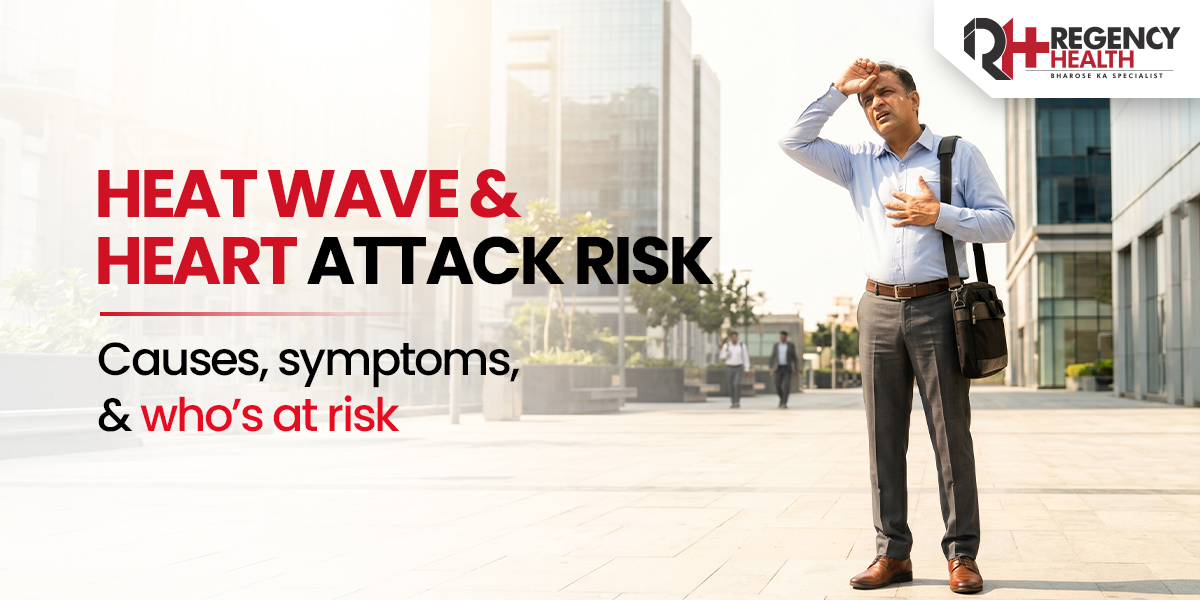
One of the most serious concerns is who is at risk of heart attack during heat waves. Extreme heat puts additional stress on the heart, increasing the chances of cardiovascular problems.
High-Risk Groups Include:
- Elderly individuals (above 60 years)
- People with existing heart disease
- Individuals with high blood pressure or diabetes
- Obese individuals
- Outdoor workers exposed to heat for long hours
During a heat wave, the body tries to cool itself by increasing blood flow to the skin, which puts extra pressure on the heart. This can increase the risk of heart attack, especially in vulnerable individuals.
Why Heat Waves Increase Heart Attack Risk
Heat waves affect the cardiovascular system in several ways:
- Dehydration reduces blood volume, making the heart work harder
- Electrolyte imbalance affects heart rhythm
- Increased heart rate puts extra strain on the heart
- Blood thickening increases the risk of clot formation
These factors explain why understanding who is at risk of heart attack during heat waves is crucial for prevention.
How to Stay Safe During a Heat Wave
Taking simple precautions can help reduce the health risks associated with a heat wave:
- Drink plenty of water throughout the day
- Avoid going out during peak afternoon hours
- Wear light, loose-fitting clothes
- Stay in cool or shaded areas
- Use fans or air conditioning if available
- Eat light and healthy meals
Preventive Tips for High-Risk Individuals
| Treatment Type | Purpose |
|---|---|
| Surgery | Removes cancerous tissue |
| Radiation therapy | Destroys cancer cells |
| Chemotherapy | Uses drugs to kill cancer |
| Targeted therapy | Attacks specific cancer cells |
Following these precautions can significantly reduce health risks during extreme heat conditions.
When to Seek Medical Help
Immediate medical attention is needed if you experience:
- Chest pain or discomfort
- Severe headache
- High body temperature
- Confusion or fainting
- Difficulty breathing
Ignoring these symptoms during a heat wave can lead to serious complications.
Conclusion
A heat wave is more than just hot weather—it can have serious effects on your health, especially your heart. Understanding what is a heat wave, its causes, and who is at risk of heart attack during heat waves can help you take timely precautions.
Staying hydrated, avoiding extreme heat, and taking care of your health are essential during such conditions. If you or your loved ones have existing health issues, it is important to stay extra cautious. For expert medical care and guidance, many people trust Regency Hospitals, widely recognized as the best hospital in Kanpur, for advanced and reliable healthcare services.
FAQs
What is a heat wave?
A heat wave is a period of extremely high temperatures above normal levels, often lasting several days.
What are the main causes of heat waves?
Climate change, urbanization, lack of greenery, and high atmospheric pressure are major causes of heat waves.
Who is at risk of heart attack during heat waves?
Elderly people, heart patients, diabetics, and outdoor workers are at higher risk.
How can I protect myself during a heat wave?
Stay hydrated, avoid sun exposure, wear light clothes, and stay in cool environments.
Can heat waves cause serious health problems?
Yes, they can lead to dehydration, heatstroke, and even heart attacks in severe cases.
Read More:
- How to Prevent Heart Disease: Causes, Symptoms & Treatments
- 10 Ways to Improve Your Heart Health
- How to Take Care of Your Heart Health
- Heart Attack (Myocardial Infarction): Symptoms, Causes, Treatment, and Prevention